Fast, Compliant, and Cost-Effective Repairs – Made Simple

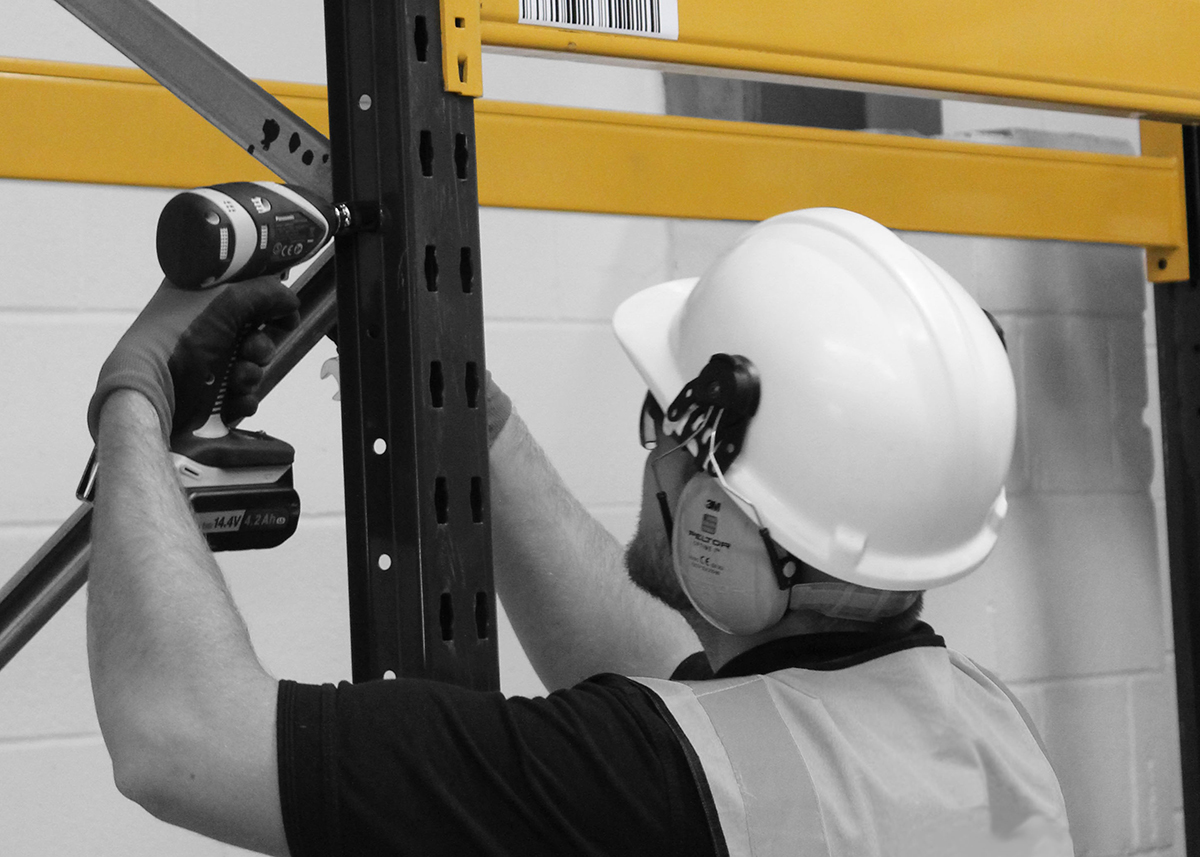
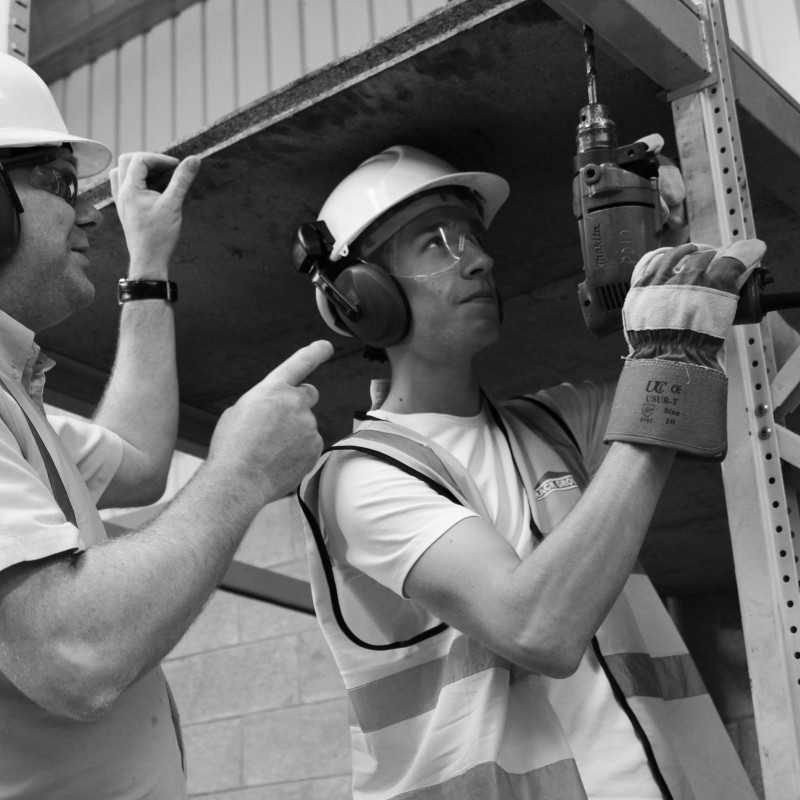
This is a quick overview of our expert racking repair services. Every repair is carried out by qualified engineers, using OEM parts, to keep your warehouse safe, compliant, and operational. Whether you need urgent repairs after impact damage or preventative maintenance to extend system life, our team delivers fast and sustainable solutions.

Scroll down for a full breakdown of each racking repair service and how we help you stay compliant with UK legislation.

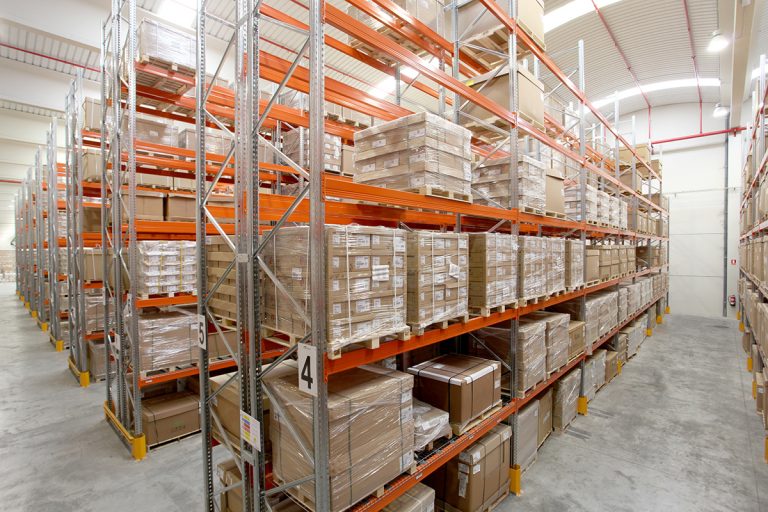
Racking Repairs and Maintenance That Keep Your Warehouse Safe, Compliant and Operational

“Racking is classed as work equipment under UK Health and Safety legislation, including HSG76, PUWER, and the EN 15635 standard.”

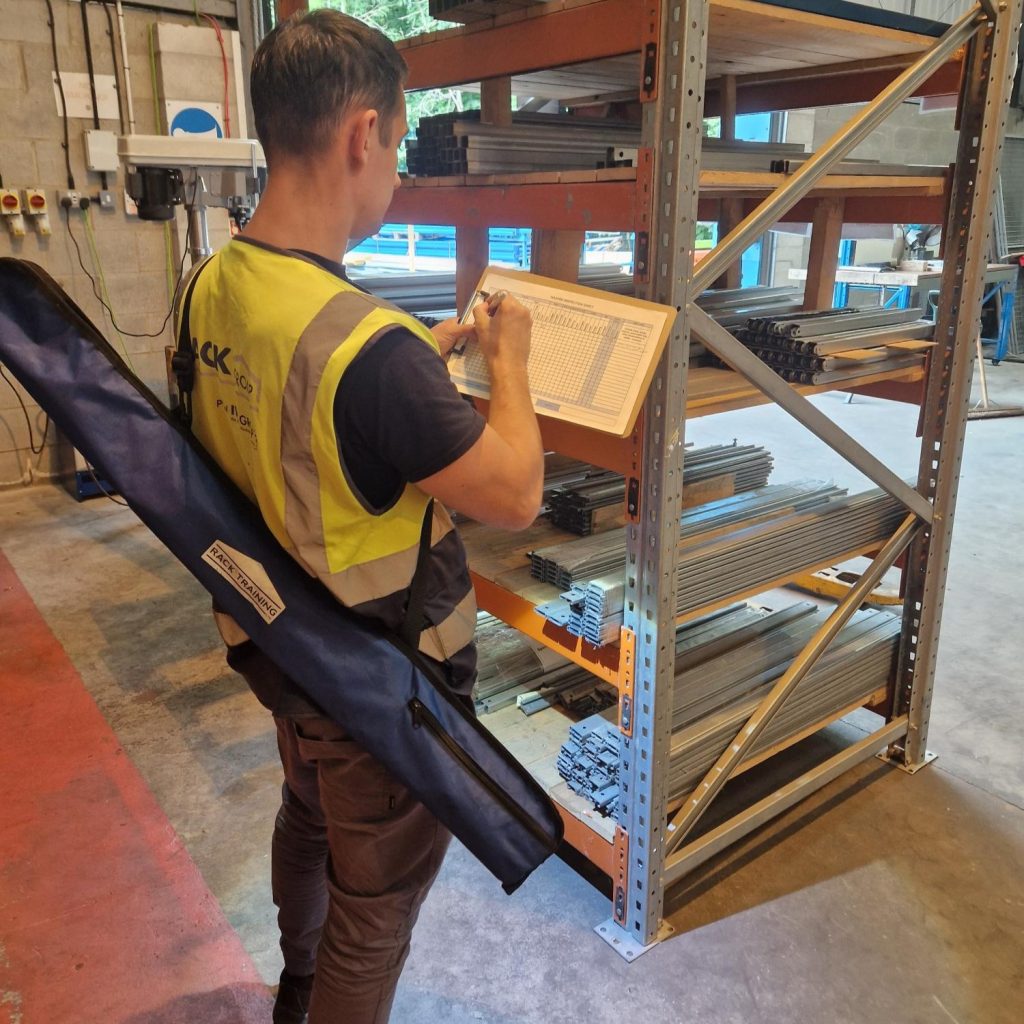
This means it must be kept in a safe condition at all times. According to HSG76, any damage identified by a Racking Inspector or the designated PRRS (Person Responsible for Racking Safety) must be reported and repaired without delay to prevent collapse.

Compliance alone is not enough.
What happens when damage is left unrepaired?

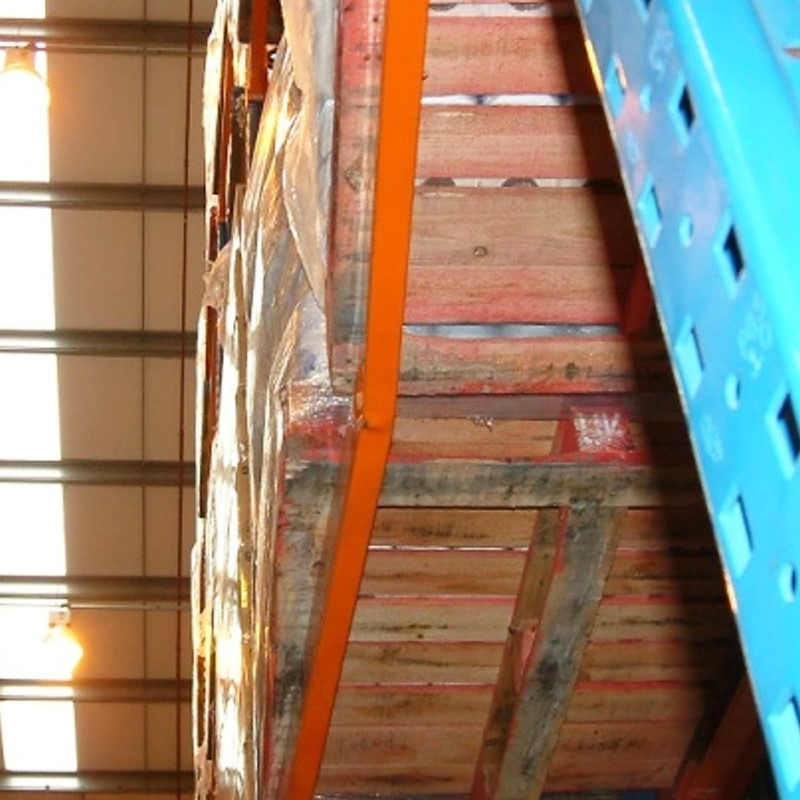
Warehouses are busy, high-impact environments. Forklifts, pallet trucks, and constant stock movement put continuous stress on racking systems. Even small dents, twists, or loose fixings can weaken the structure and increase the risk of a domino-effect collapse. Fast, professional repairs are essential to protect your people, your stock, and your operations, while ensuring compliance and minimising downtime.

Racking damage is usually categorised into three levels of risk.

According to the SEMA code of practice, racking damage is either RED, AMBER, or GREEN risk.

These categories will be highlighted in your inspection report. Don’t have a recent report? Book your next racking inspection here.

Select a category below to find out what you need to do next.

Red Risk

What is red risk damage?

What is red risk damage?

Categorised as very serious damage requiring immediate action.

  • Situations where a critical level of damage is identified
  • The racking should be immediately offloaded
  • The racking should be isolated from future use until repair work is carried out
  • Repair work usually involves replacement of the damaged component
Book an Urgent Repair Job

Amber Risk

What is amber risk damage?

What is amber risk damage?

Categorised as hazardous damage requiring action as soon as possible.

  • Area where damage is significant to warrant repair work, but doesn’t require immediate offloading
  • Once load is removed from a damaged component, it should not be reloaded until repairs have been carried out
  • Isolate the rack following offloading to prevent use until repair work is carried out
  • Repair work should be carried out within 4 weeks, otherwise the damage is re-categorised as red risk and immediate action is required
Book a Repair Job

Green Risk

What is green risk damage?

What is green risk damage?

Categorised as requiring surveillance only.

  • Does not require a reduction in the rack carrying capacity or immediate repair
  • Considered safe and serviceable
  • Should be clearly identified for specific re-examination at future inspections
  • Exceeding this level should be considered a risk to the racking system
Book Your Next Inspection

If you have urgent racking damage – book a repair now!

Common types of racking damage

Uprights

Upright Damage & Repair?

Upright Damage & Repair

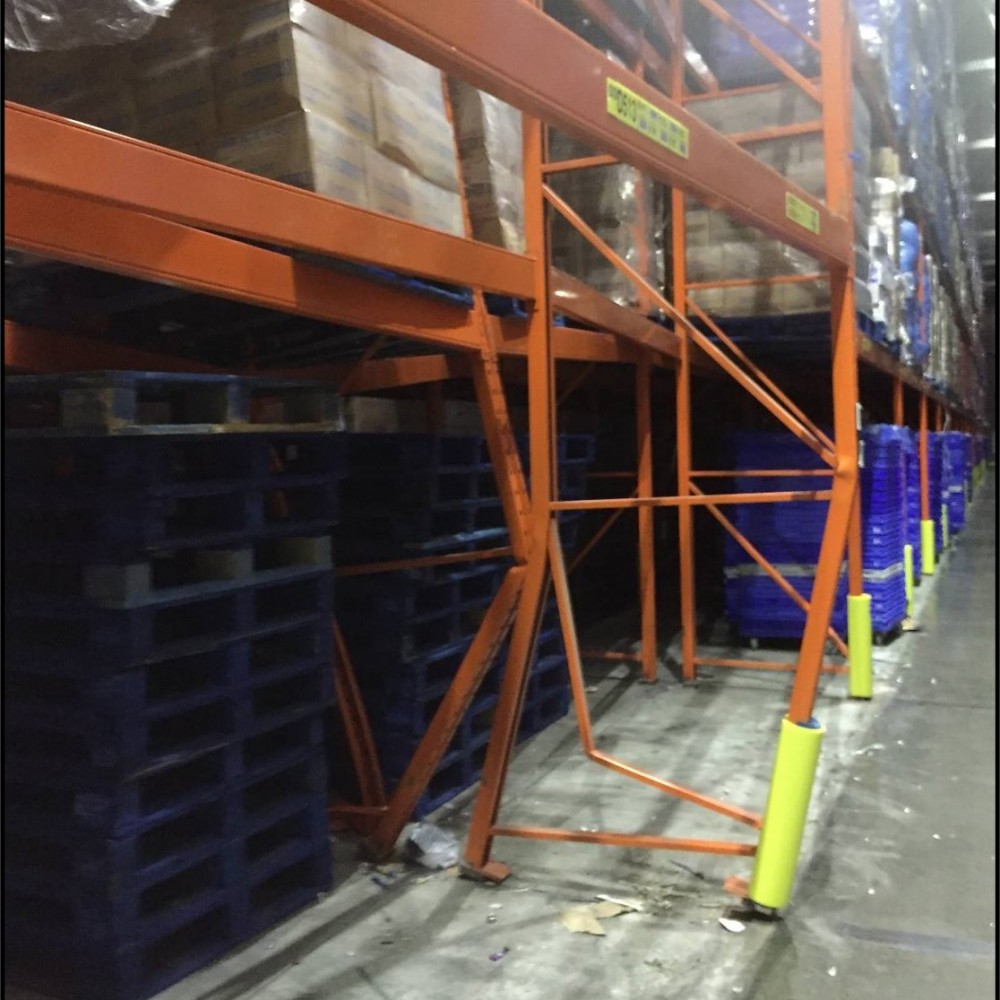
Racking front and rear uprights are often impacted by MHE.

Key things to know:

  • Bends or twists can compromise the load capacity of the whole racking system
  • Deflections forwards or backwards should be no more than 3mm before needing repair
  • Deflections sideways should be no more than 5mm before needing repair
  • Repairing uprights by welding replacement sections compromises the safety of the system

REPAIR: It’s advised that damaged racking uprights are replaced rather than repaired to ensure safety compliance.

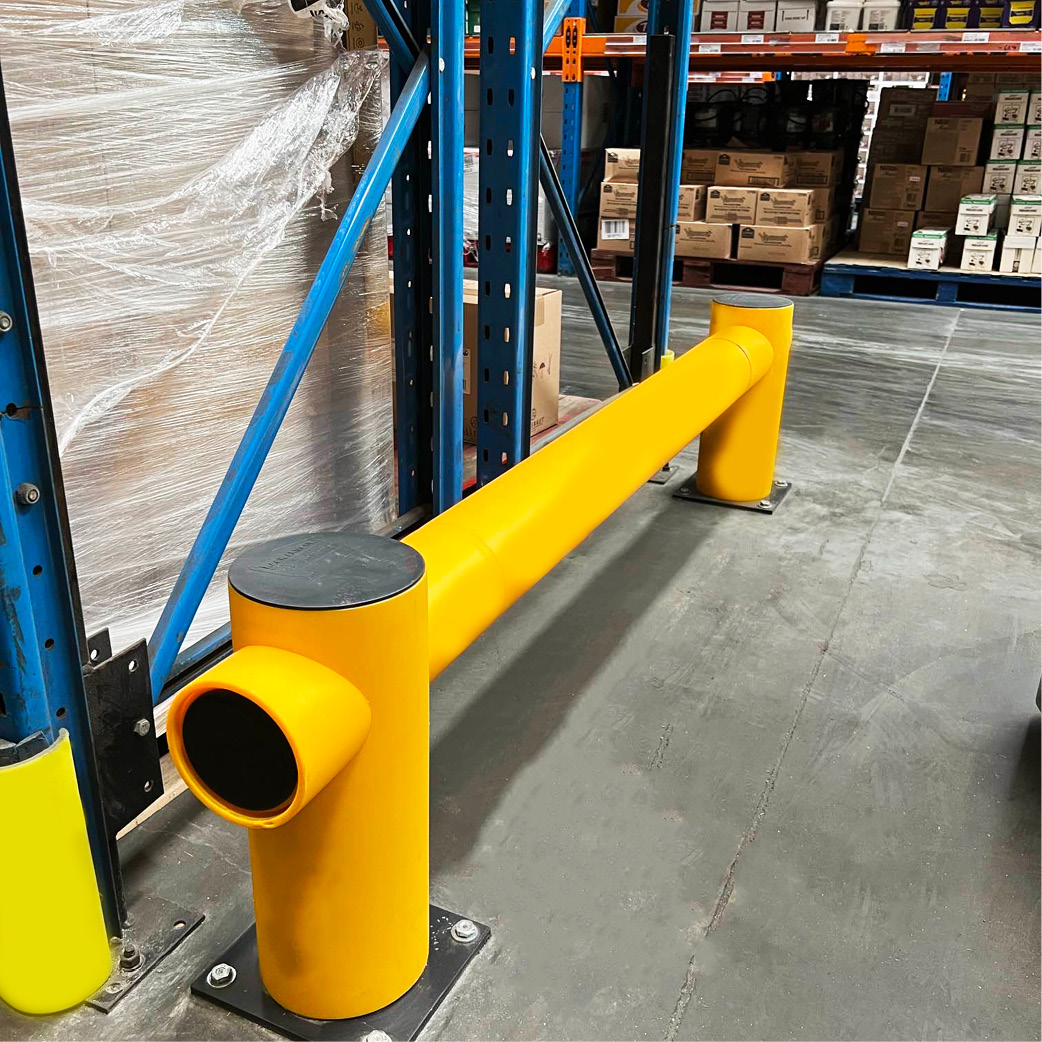
PREVENT: Most damage occurs within the first 600mm of the upright. Protect racking uprights from being damaged in the first place. Protection guards deflect and absorb impact before it can cause damage to the upright.

Book a repair service

Bracing

Bracing Damage & Repair?

Bracing Damage & Repair

Bracing and frames can be hit by moving pallets or MHE.

Key things to know:

  • Bracing can become torn or bent, compromising the load capacity of the racking
  • Damage can reduce the capacity of the frames to withstand accidental frontal impact
  • Deflections should be no more than 10mm in either direction before needing repair
  • Deflections under 10mm should still be monitored and reassessed at the next inspection

REPAIR: Replace or repair damaged bracing as soon as is required of the SEMA code of practice.

PREVENT: Although sometimes unavoidable, protecting racking frames with impact protection barriers can help reduce how close MHE can get to the racking. Training operators on careful and accurate placement of pallets can also help prevent damage.

Book a repair service

Beams

Beam Damage & Repair?

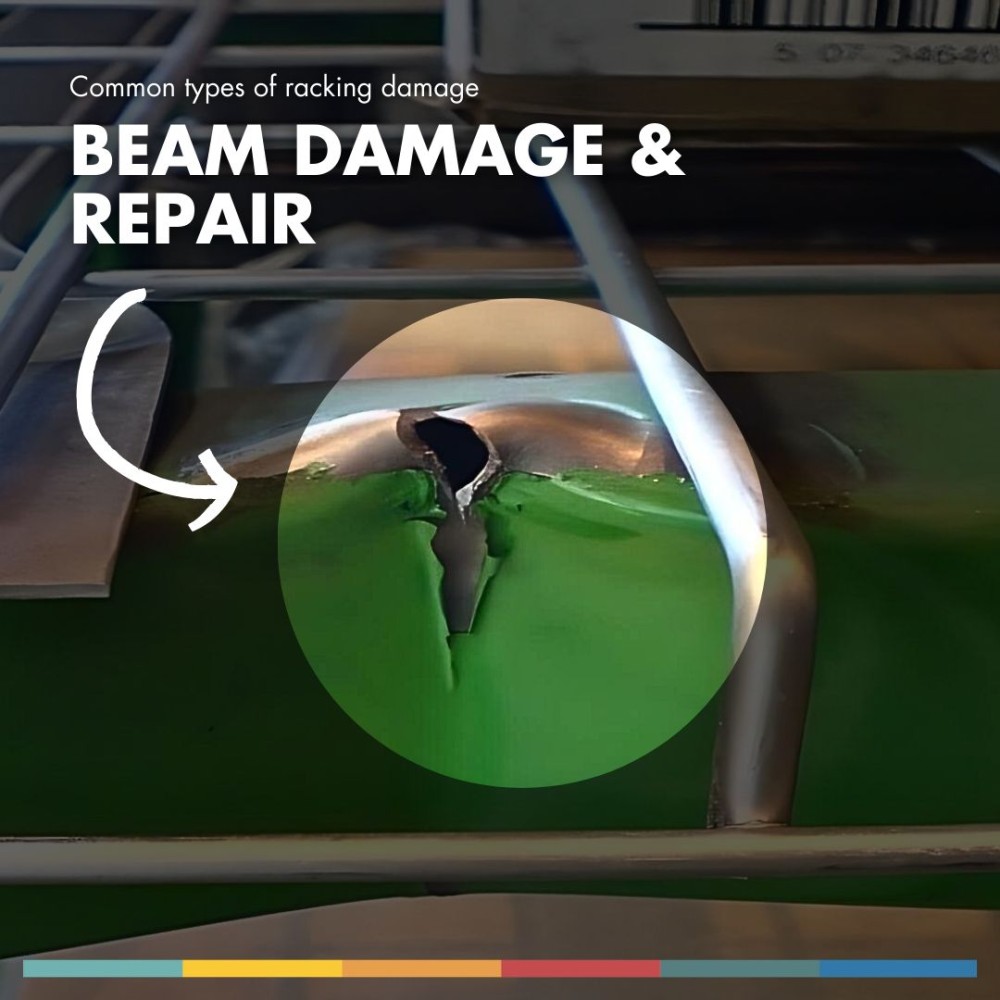
Beam Damage & Repair

Beams can be hit when loading pallets and MHE turning in aisles

Key things to know:

  • Damage most frequently occurs on the first level
  • Unstable beams result in unsecure pallet loads, creating a safety issue
  • Beams have a deflection tolerance when loaded that should disappear when unloaded
  • Deflections showing when unloaded should be within the safe limit for that beam

REPAIR: Replace damaged beams above a category green risk to ensure your racking is safe and operational.

PREVENT: Ensure the correct beam is being used for your storage needs and regular training is given to operators to reduce the number of beam impacts.

Book a repair

Base Plates

Base Plate Damage & Repair?

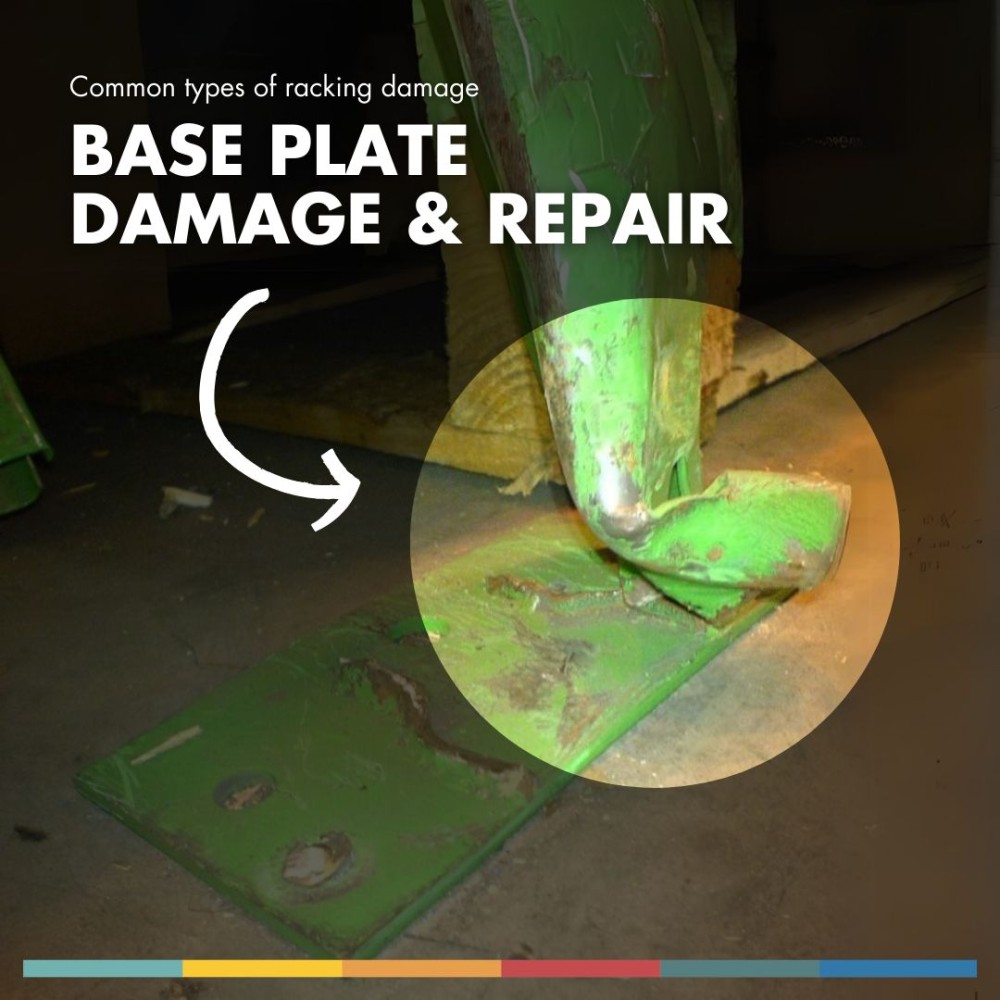
Base Plate Damage & Repair

Base plates are essential components for the safety of racking

Key things to know:

  • All racking should be fixed to the floor using 1 or more bolts per base plate
  • Unsecured racking is more vulnerable to collapse from impact
  • Damage to base plates can often cause damage to the floor

REPAIR: Damaged base plates should be repaired or replaced as soon as they pose a safety risk.

PREVENT: Ensure all base plates are secured to an unbroken floor with at least 1 bolt. Protect MHE from hitting uprights and base plates with racking protection guards.

Book a repair

Beam End Connectors

Beam End Connector Damage?

Beam End Connector Damage

Beam end connectors are prone to knocks and tears

Key things to know:

  • Beam end connectors should show no signs of cracking
  • If there are any signs of deflections, unload the beam and seek advice from your racking supplier
  • Attempting repairs by untrained staff can compromise the load capacity of the beam and safety of the entire rack

REPAIR: Damaged beam end connectors often result in a replacement of the entire beam to preserve the safety of the racking system.

PREVENT: Regular inspections of the system, professional repairs, and skilled operators can all help reduce the risk of beam end connector damage.

Book a repair

Weight Load Notices

Missing or Damaged Weight Load Notices?

Missing or Damaged Weight Load Notices

All racking is required to have a Safe Working Load Sign

Key things to know:

  • The safe working load limit of the rack needs to be displayed clearly for colleagues to see
  • The signs should be mechanically fitted in a conspicuous location 2m from the floor
  • They should be made from corrosion-resistant material
  • Every sign should include: the suppliers name, safe working loads, height to first beam, and beam pitch

REPAIR: Replace damaged Weight Load Signs or order replacement signs if your storage system has been altered since installation. Need help calculating your safe weight load? We can help.

PREVENT: Ensure all aisles of racking have Weight Load Signs to avoid beams becoming overloaded and unsafe.

Order your Weight Load Signs

Dislodging / Bolts

Dislodging and Missing Bolts?

Dislodging and Missing Bolts?

Missing bolts and locking pins can result in dislodged components

Key things to know:

  • FEM recommends all racks are fixed to the floor with at least 1 bolt per base plate
  • Beam safety locks, or locking pins, provide resistance against accidental beam dislodgement
  • There should be 2 safety locks per beam
  • Dislodged beams result in unstable pallet loads and an increased risk of falling from height
  • Each racking type has a compatible locking pin, do not use nuts and bolts to secure beams to uprights

REPAIR: Order replacement bolts and safety locks. Replace any damaged beams that have become dislodged and require repair.

PREVENT: Regular inspections should include checking for any missing bolts / locks, as well as any dislodgement of beams. Hold stock of safety locks to replace any missing components.

Book a repair or order parts

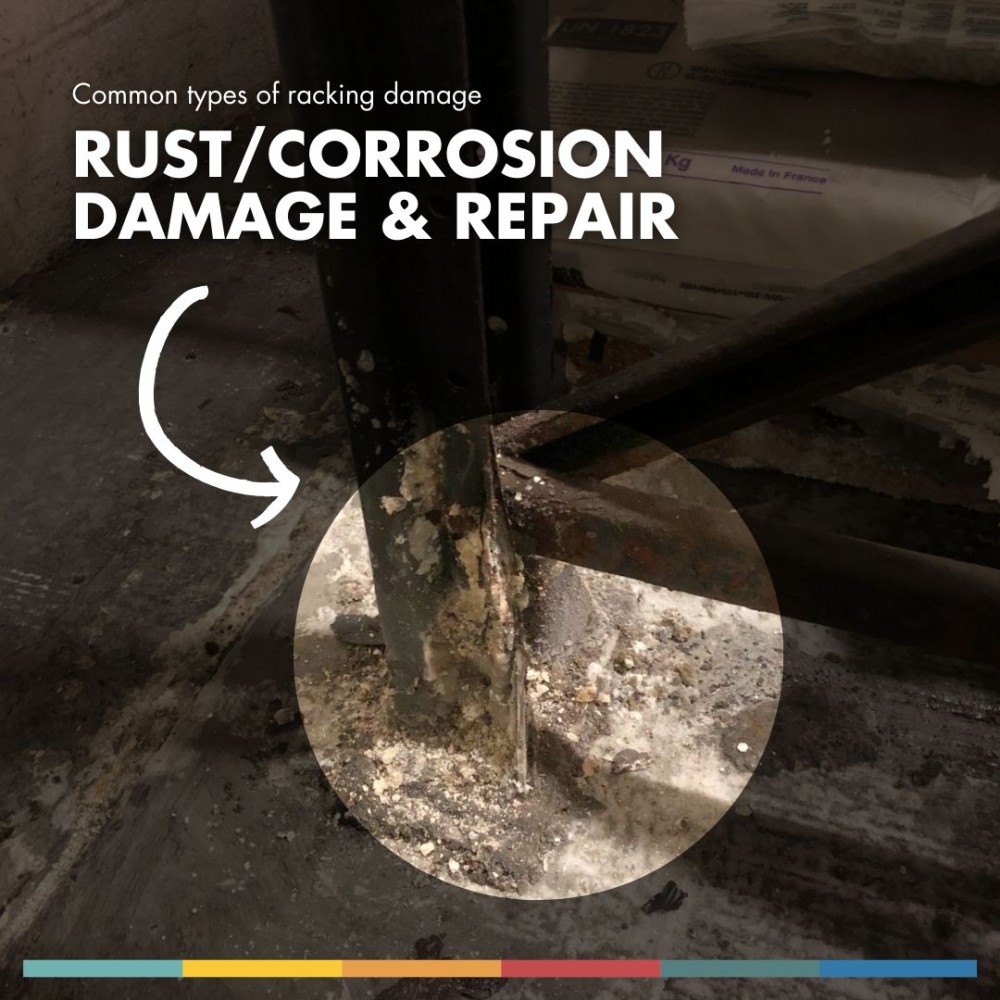
Rust / Corrosion

Have Rust and Corrosion?

Rust and Corrosion

Rust and corrosion can seriously weaken racking

Key things to know:

  • Rust and corrosion weakens racking components, compromising the safety
  • All steel will eventually corrode over time
  • Racking typically rusts when exposed to moisture for long periods
  • Paint or rubber coatings can help slow down corrosion, but can also mask issues as well as requiring maintenance

REPAIR: Monitor cases of rust and corrosion, replacing all components that pose a safety risk.

PREVENT: Store components inside and away from moisture. Choose racking made from galvanised or stainless steel to slow down any corrosion.

Order replacement parts

Anti-Collapse Mesh

Missing Anti-Collapse Mesh?

Missing Anti-Collapse Mesh

Anti-Collapse Mesh prevents accidents from falling objects

Key things to know:

  • Single-sided runs of racking should have mesh installed to prevent items being pushed or falling off the other side
  • Mesh is especially important if the run of racking is next to pedestrian routes
  • Anti-Collapse Mesh can be installed on existing racking

REPAIR: Request anti-collapse mesh to be installed on any existing racking systems that require a barrier between operatives and stored items.

PREVENT: Add anti-collapse mesh to racking when installed to ensure the racking is safe before use.

Book a repair or order parts

If you have any of these types of damage – book a repair now!

Our Racking Repairs and Maintenance Services

From urgent damage repair to long-term maintenance planning, we offer flexible solutions to keep your racking safe, compliant, and operational.

All our work is completed in line with EN standards as well as SEMA guidelines.

Urgent Racking Repairs

When damage is critical, you need a fast response. Urgent racking repairs reduce risk immediately and keep your warehouse safe and operational.

Urgent Racking Repairs

Urgent Racking Repairs

When damage is critical, you need a fast response. Urgent racking repairs reduce risk immediately and keep your warehouse safe and operational.

Our engineers are on call to respond quickly to high-priority repairs. Using OEM parts and SEMA-approved methods, we fix damaged uprights, beams, bracing, and base plates to restore full structural safety.

If your inspection report highlights red risk damage, or if you spot serious impact damage on your racking, these repairs must be completed without delay. Acting fast prevents collapse, avoids costly downtime, and ensures your warehouse remains compliant with HSG76, PUWER, and EN 15635.

Upload photos of the damage or send us your inspection report for a same-day quote.

Enquire Now

Planned Repairs & Maintenance

Not all repairs are urgent, but they should never be ignored. Planned racking repairs and maintenance allow you to schedule work around your operations, keeping disruption and costs to a minimum.

Planned Repairs and Maintenance

Planned Repairs & Maintenance

Not all repairs are urgent, but they should never be ignored. Planned racking repairs and maintenance allow you to schedule work around your operations, keeping disruption and costs to a minimum.

Our team works with you to create a repair schedule based on your inspection reports and warehouse activity. By addressing amber risk damage and other non-critical issues early, you prevent them from escalating into urgent problems that could shut down your warehouse.

Planned maintenance also means repairs are completed in a controlled way, with the right parts and engineers available when you need them. This approach helps extend the life of your racking systems, improves safety, and keeps your facility compliant with UK legislation such as HSG76 and PUWER.

Enquire Now

Repairs from Inspection Reports

If you already have a racking inspection report, we can quote directly from it. This makes the repair process faster, easier, and fully compliant.

Repairs from Inspection Reports

Repairs from Inspection Reports

If you already have a racking inspection report, we can quote directly from it. This makes the repair process faster, easier, and fully compliant. Reports from any provider are accepted.

Our team reviews the findings, identifies all red and amber risks, and provides a clear repair plan with costs and timelines. By working from your report, we remove the need for another site visit and help you move quickly from inspection to repair.

If you do not yet have a report, our accredited inspectors can carry one out for you. Alternatively, you can send us photos of the damage and, in many cases, we can provide a same-day repair quote.

Enquire Now

Preventative Maintenance Plans

Racking repairs are essential when damage occurs, but preventing damage in the first place is even more effective. That’s why we offer preventative maintenance plans tailored to your warehouse.

Preventative Maintenance Plans

Preventative Maintenance Plans

Racking repairs are essential when damage occurs, but preventing damage in the first place is even more effective. That’s why we offer preventative maintenance plans tailored to your warehouse.

A maintenance plan keeps your racking in safe, compliant condition all year round. Our engineers carry out scheduled inspections and small repairs before issues become serious. This proactive approach reduces the risk of sudden failures, extends the life of your racking, and lowers long-term costs.

Preventative maintenance also helps you plan ahead. By identifying patterns of recurring damage, we can recommend design changes, protective measures such as Rack Armour®, Polymer Barriers, or staff training to reduce future risks. The result is a safer warehouse with fewer disruptions and better cost control.

With over 40 years of experience, we know that a consistent maintenance programme is the most reliable way to keep your racking systems safe, compliant, and operational.

Enquire Now

Why Racking Damage Matters

Racking damage is one of the biggest safety risks in a warehouse. Even minor dents or misalignments can weaken the structure and increase the chance of collapse.

The Health and Safety Executive (HSE) highlights in HSG76 Warehousing and Storage: A Guide to Health and Safety that all racking is classed as work equipment, meaning it must be inspected, maintained, and kept safe under the Provision and Use of Work Equipment Regulations (PUWER). This places a legal duty on warehouse operators to ensure racking is always in a safe condition.

If damage goes unnoticed or unreported, the risks are significant:

Regular inspections, fast repairs, and ongoing preventative maintenance are the only way to manage these risks. Proactive action not only protects people and assets but also avoids the financial and legal consequences of ignoring racking damage.

Expert Racking Repairs and Maintenance from Rack Group

If damage goes unnoticed or unreported, the risks are significant:

From Inspection to Repair: Keeping Your Warehouse Safe

Already Have an Inspection Report?

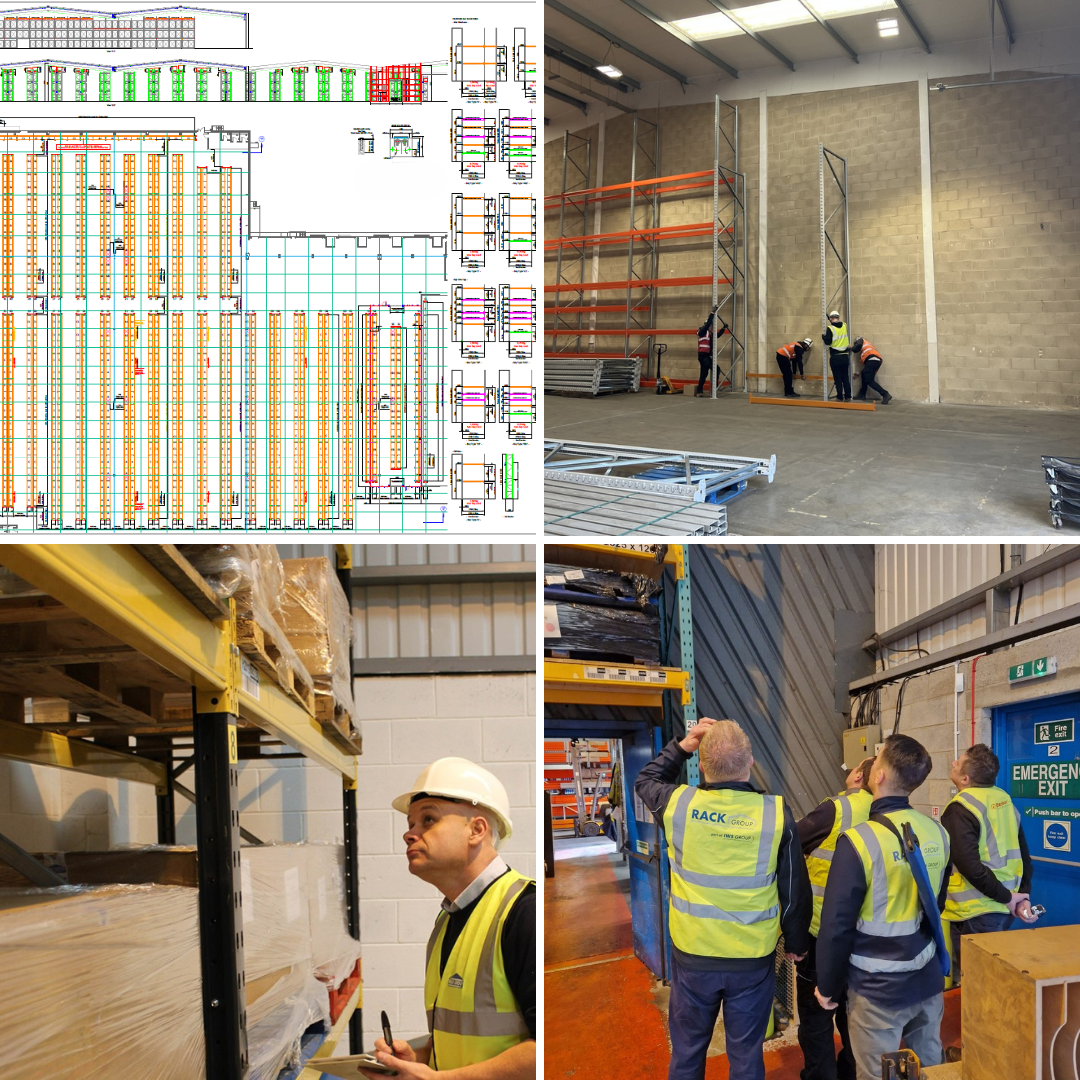
From Inspection Report to Repair. If you already have a racking inspection report, we can quote repairs directly from it. This saves time and gets your repairs underway faster. Reports from any provider are accepted.

Our team reviews the report in detail, identifies all areas flagged as red, amber, or green, and provides a clear repair quotation. Red risks are prioritised for immediate action, amber risks are scheduled within the recommended timeframe, and green risks are monitored to prevent escalation.

If you have recently completed a third party SEMA or PUWER inspection, sending us the report allows us to act quickly and remove the risk of further damage or downtime. This streamlined process keeps your warehouse compliant, safe, and operational without unnecessary delays.

Disclaimer:In some cases, a member of our team may still need to visit your facility before final decisions can be made. While inspection reports are comprehensive, our experts may need to assess the damage and the environment in person to make an accurate judgment on the required repairs.

Regular Racking Inspections for Ongoing Safety

Repairs are only part of keeping a warehouse safe. Regular inspections are the first line of defence.

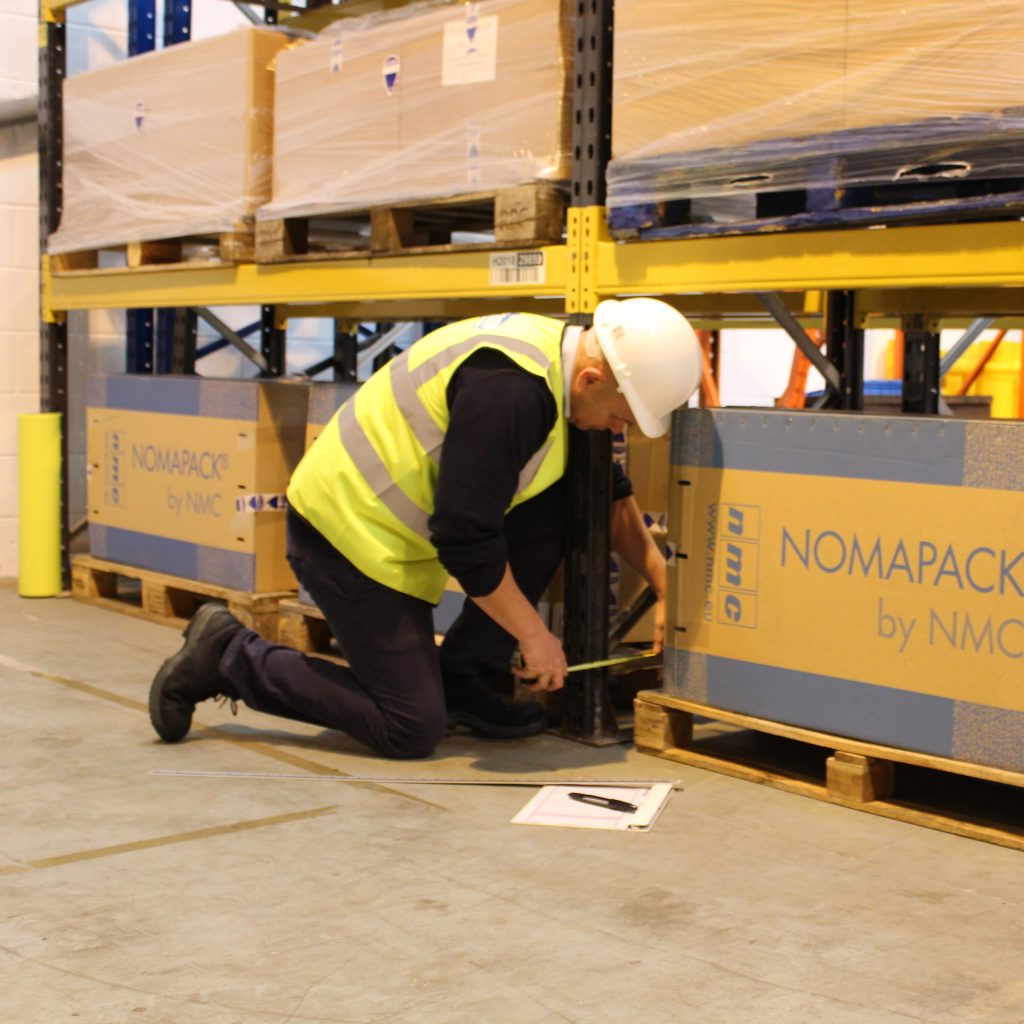
Under HSE guidance (HSG76) and PUWER regulations, all racking is classed as work equipment, which means it must be inspected and maintained to remain in a safe condition. To meet these requirements, warehouses need both in-house visual checks carried out by a PRRS (Person Responsible for Racking Safety) and formal inspections carried out by an accredited expert at least once every 12 months.

At Rack Group, our SEMA and PUWER-approved inspectors provide detailed inspection services that go beyond a simple check.

Our inspections:

This proactive approach ensures you stay compliant with UK safety legislation, while also preventing the serious risks associated with racking collapse. Regular inspections reduce downtime, extend the lifespan of your racking, and help you avoid costly emergency repairs.

Frequently Asked Questions

Below are answers to some of the most common questions we receive about racking repairs and maintenance.

Our experienced team of engineers are able to repair all types of damage! Simply drop us an email with some photos of the work you need and we’ll take it from there.

Not all repair jobs will require a site visit from our team before we can quote. You can send us photos of the damaged sections and our team will aim to provide a quote based on the images provided.

Absolutely! We can quote all types of repairs. Simply send us your latest racking inspection, along with any helpful photos of the damage, and we’ll get a quote to you asap.

If your latest racking inspection has identified damage categorised as red risk, according to SEMA guidelines, you should unload the affected racking immediately. Once the damage has been repaired and the work has been signed off by a qualified person, you can then reload the racking.

You have 4 weeks to repair amber risk damage to racking. After this time, the damage is re-categorised as red risk and must be unloaded immediately to prevent any accidents.

Green risk does not mean no risk. Racking damage categorised as green risk is considered safe to continue using, unless the damage worsens. The damaged component should be identified to your PRRS (Person Responsible for Racking Safety) and re-assessed at the next inspection.

My Quote (0)