Racking Inspections
Racking Inspections Across the UK – Ensuring Safe, Compliant and Efficient Warehouses.
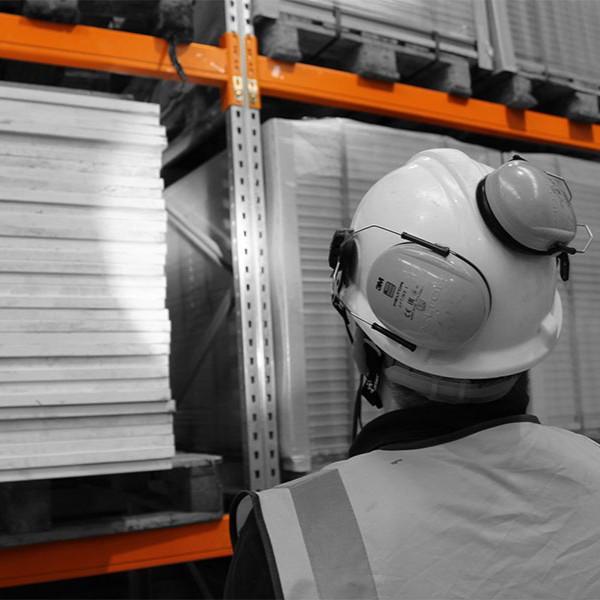
Our Racking Inspections – Overview
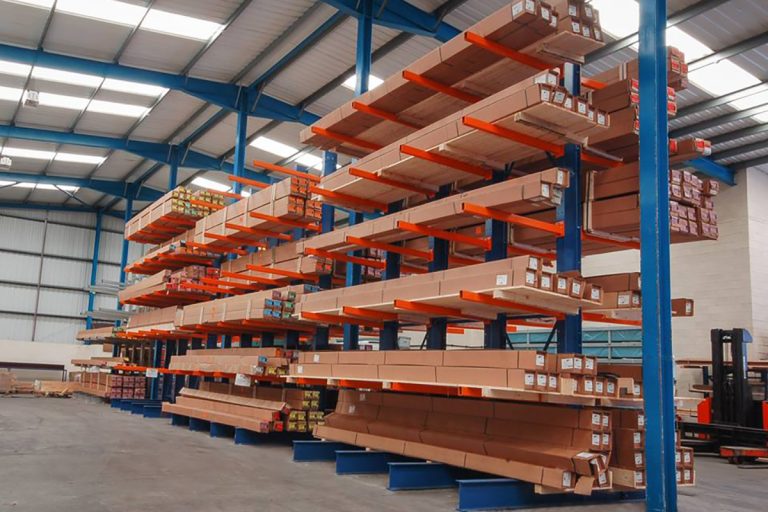
This section gives you a clear snapshot of our racking inspection services. Whether you require an inspection for standard pallet racking, cantilever racking, or mezzanine-supported systems, we help you stay safe, compliant, and efficient in line with UK legislation and safety regulations.
From a single annual expert inspection to multi-site, scheduled inspections for busy warehouse environments, we arrange inspections around your operations to suit your safety requirements.
You can book either a SEMA Racking Inspection or a PUWER Racking Inspection:
- If your insurance requires a SEMA Approved Racking Inspector (SARI), you must book a SEMA inspection.
- If your insurance does not specify, the choice is yours – either SEMA or PUWER.
Our racking inspections include:
- Comprehensive structural checks on pallet racking, cantilever racking, and all other racking systems
- Compliance with HSE, PUWER, SEMA, and EN15635 guidance
- Traffic-light risk classifications with clear recommendations for remedial action
- Guidance on next steps to protect your people, your stock, and your business
- Independent, PUWER and SEMA-qualified inspectors providing impartial reporting
Scroll down for a full breakdown of why racking inspections are a critical part of warehouse safety, compliance, and long-term cost control.
Inspect your racking to protect your warehouse and your team.
Warehouse racking is the backbone of safe storage and efficient operations. Yet even minor damage or misalignment can quickly escalate into costly accidents and compliance risks. With over 40 years’ experience, our professional racking inspection service provides a thorough, expert assessment of all racking systems, including pallet racking, cantilever racking and mezzanine-supported storage systems. We ensure these systems meet UK safety standards (HSE, PUWER and SEMA guidelines). With nationwide coverage, we help you protect your people, your stock and your business. Our scheduled inspections identify risks early and keep your facility compliant. Ensure your racking remains safe and legally compliant by booking your next inspection today.
Trusted by warehouse managers, contractors and health & safety officers across the UK, our inspections are delivered by experienced PUWER and SEMA-qualified specialists who understand racking from installation to lifecycle maintenance.
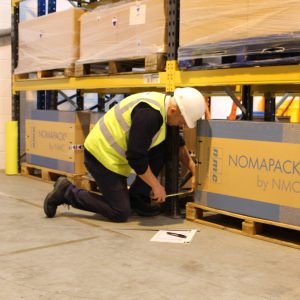
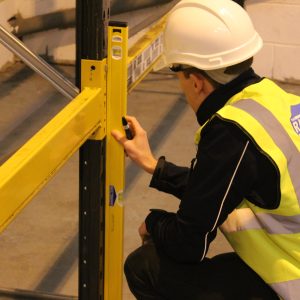
Our Racking Inspections
Our nationwide racking inspection service helps you maintain a safe and efficient warehouse, ensuring full compliance with UK health and safety standards including HSE, PUWER, SEMA and EN15635.
SEMA Standard Inspection
Conducted by: SARI – SEMA Approved Racking Inspector
Frequency: Expert inspection – annually as a minimum (every 6 months is recommended for high‑volume or high‑risk warehouses)
Overview:
Our SEMA Standard Inspections are carried out by fully qualified SARI inspectors in line with EN 15635, HSG 76 and SEMA Codes of Practice. These expert inspections provide a comprehensive structural assessment of all racking systems in your warehouse. Each inspection includes a detailed on-site audit, immediate tagging of critical risks, and a full digital report with Red/Amber/Green classifications and recommendations.
Key Outcomes:
- Independent expert assessment of all racking systems
- Compliance with SEMA and HSE inspection requirements
- Clear risk classification with photos and recommendations
- Documentation to support legal compliance and insurance requirements
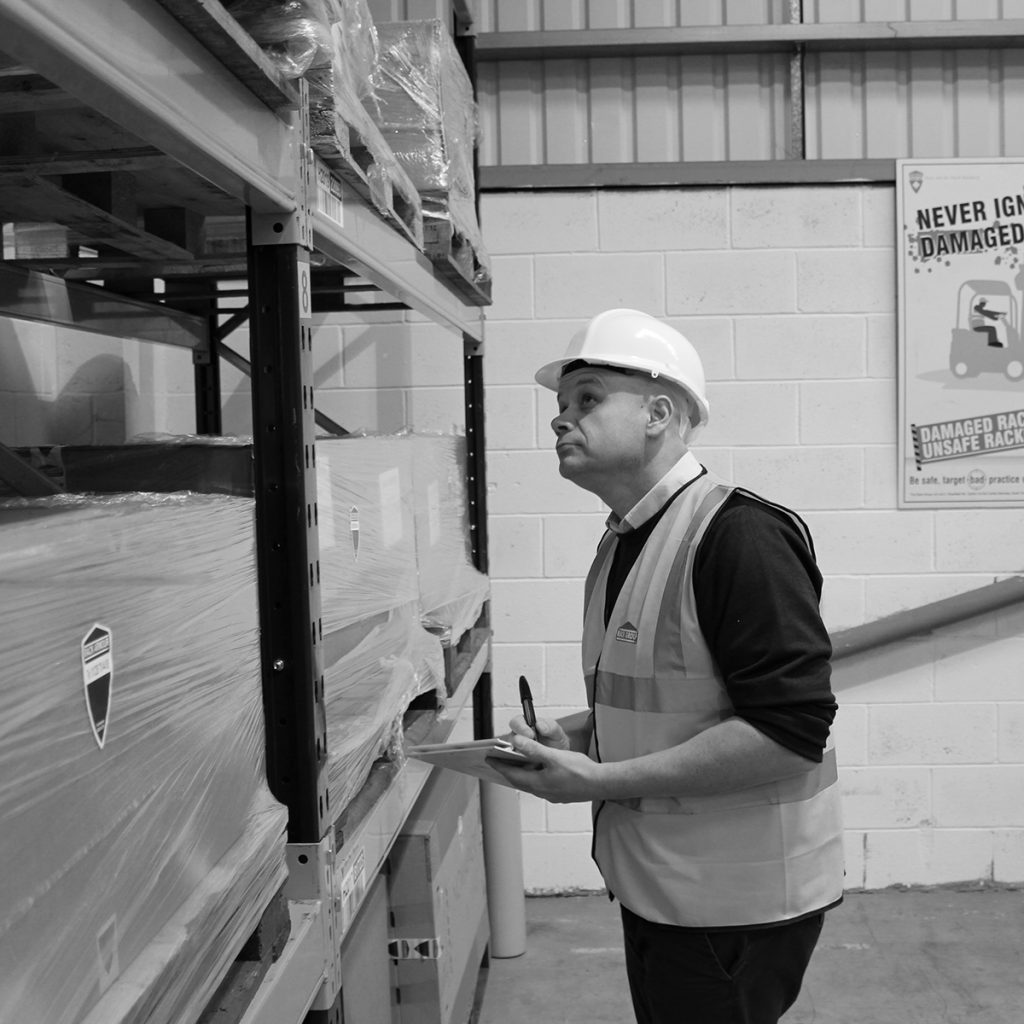
PUWER / EN 15635 Inspection
Conducted by: Experienced racking inspectors
Frequency: Expert inspection – annually as a minimum (every 6 months is recommended for high‑volume or high‑risk warehouses)
Overview:
Where required, we also conduct inspections aligned with PUWER regulations (Provision and Use of Work Equipment Regulations 1998) and EN 15635 standards. These inspections assess racking safety as part of overall equipment compliance. They follow the same thorough approach as SEMA inspections and help you demonstrate due diligence for HSE and insurer audits.
Key Outcomes:
- Full inspection against PUWER requirements
- Clear recommendations for corrective action
- Compliance documentation for safety audits
Regular Visual Inspection (Internal)
This type of inspection does not replace your annual expert inspection, but it is an important complementary check that supports daily safe operations.
Conducted by: Trained in‑house personnel
Frequency: Visual inspection – weekly as standard (daily monitoring is recommended in very high‑traffic or high‑risk warehouses)
Overview:
Regular visual inspections are the first line of defence in keeping your warehouse safe between expert inspections. These checks can be carried out by a trained member of your own team and are essential for spotting damage early. While they are not a substitute for an annual expert inspection, they help prevent risks from escalating by ensuring issues are noticed and reported quickly. If your team needs the knowledge to carry these out effectively, we offer Rack Safety Awareness training so that your staff understand what to look for, how to record findings and what action to take.
Key Outcomes:
- Early identification of damage and potential hazards
- Day‑to‑day monitoring of racking condition
- Escalation of issues before they become serious
- Complements, but does not replace, expert inspections
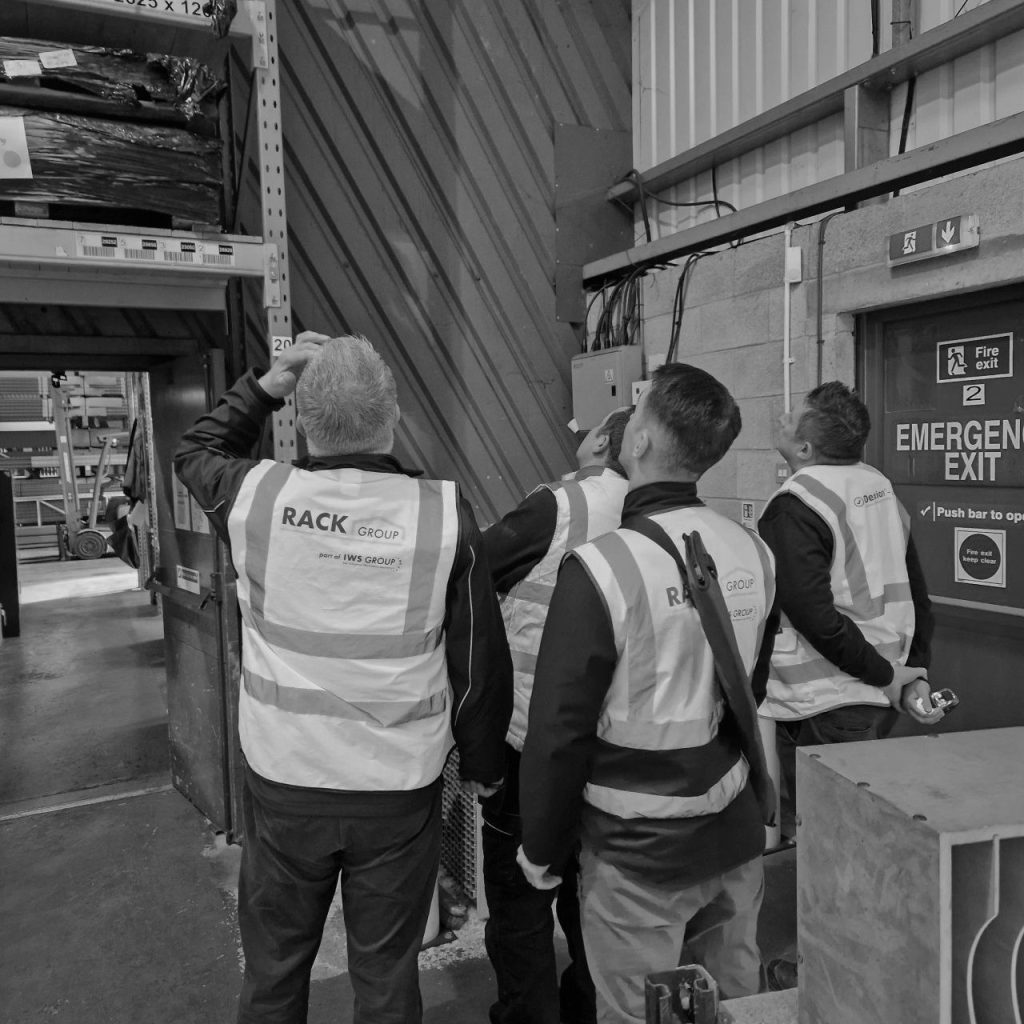
What Type of Racking Inspection Do I Need?
This depends on whether you need a regular inspection (usually carried out weekly in-house) or an expert inspection (typically carried out annually by a third-party specialist).
Annual expert inspections are normally completed by an independent company. There is currently no legislation that specifies exactly which type of inspection you must have.
However, some insurance companies require you to arrange a specific expert inspection every year. These inspections are generally compliant with SEMA or PUWER guidelines.
If your insurer does not specify, the choice is yours, but best practice is to ensure at least one expert inspection every 12 months alongside your own regular visual checks.
Every inspection we carry out ensures that your racking remains safe and compliant with current UK regulations and industry standards.
| What’s included? | SEMA Standard Inspection | PUWER / EN15635 Inspection | Regular Visual Inspection |
|---|---|---|---|
| Conducted by an IOSH qualified inspector | |||
| Same-day serious damage report | |||
| Meets EN15635 requirement for expert inspection | |||
| Includes detailed components specification | |||
| Includes recommendations | |||
| Includes comments and observations | |||
| Conducted by a SEMA Approved Rack Inspector | |||
| Includes 2D layout drawing of installation |
Regular Visual Inspections - In-House or Through Our Team
Did you know? Regular visual inspections can be carried out by a member of your own team, provided they have sufficient training to recognise damage and understand what actions to take. If you would like to upskill your staff, explore our range of rack safety training courses.
Prefer to leave it to an expert? Get in touch with our team to schedule a regular visual inspection carried out by one of our experienced inspectors.
Find out more about the key regulations and standards governing warehouse racking and storage equipment:
When should I book an inspection?
Annual warehouse racking inspections are required as a minimum under PUWER, so by booking an annual inspection today, you can ensure your business remains safe, compliant and productive.
The frequency of pallet racking inspections required depends on a variety of factors that are particular to your site but, typically, the first inspection should be carried out within 6 months of the installation becoming operational and at least once a year from then on.
Unsure when or what type of inspection you require - Ask our experts for free and impartial advice.
Why Racking Inspections Matter for Safety, Compliance and Cost Control
All types of warehouse racking are critical asset in any warehouse or distribution centre, yet it faces daily risks from forklift impacts, overloading and general wear. Left unchecked, these issues can lead to dangerous collapses, costly downtime and non-compliance.
Regular inspections are essential to:
- Identify damage early and prevent accidents
- Stay compliant with HSE, PUWER and SEMA standards
- Protect stock, avoid downtime and reduce costs
- Build a safe, confident workforce and demonstrate due diligence
The Statistics Speak for Themselves:
HSE data shows that a significant proportion of warehouse accidents involve falling objects or racking failures. Studies reveal that around 65% of racking collapses start with forklift impacts, 40% involve overloading, and in 70% of serious incidents, regular inspections had been missed. These incidents are preventable when inspections form part of a structured safety programme.
In short:
Racking inspections help you avoid risk, protect people, save costs, extend the lifespan of your storage systems, and give you peace of mind that your warehouse is safe and compliant.
Our Racking Inspection Process – What to Expect
Our inspection process is thorough, professional and designed to minimise disruption. Here is what you can expect:
- Booking and Planning – We schedule at a time that works for you and review your warehouse layout in advance.
- On-site Assessment – A SEMA-qualified or PUWER inspector examines all racking systems against HSE, PUWER and SEMA standards.
- Immediate Action – Critical risks are flagged on the spot so unsafe racking can be unloaded immediately.
- Detailed Report – You receive a digital report with Red, Amber and Green ratings, photographs and recommendations.
- Support and Next Steps – We guide you through remedial actions and can help with repairs, protection or improvements.
Frequency: At least once every 12 months, or every 6 months for high-volume or high-risk operations.
Standards, Compliance and Expertise You Can Trust
All our inspections are carried out to the highest UK standards, following HSE guidance, PUWER regulations and SEMA Codes of Practice.
Every inspection is delivered by experienced, SEMA-approved inspectors with clear, independent reporting, so you can demonstrate compliance and maintain a safe, efficient warehouse.
For a detailed explanation of the regulations we work to, visit our [Guide to Racking Standards and Compliance].
Why Choose Us for Your Racking Inspections
Choosing the right inspection partner matters. With over 40 years of experience, we provide a service that is independent, compliant and trusted nationwide.
Why companies across the UK choose us:
- SEMA and PUWER inspectors* for independent, expert inspections
- Over 40 years of warehouse safety and racking expertise
- Fast, clear reporting with Red, Amber and Green classifications
- Nationwide coverage with a friendly, tailored service
- End-to-end support, from inspection through to repairs and protection
Safety. Compliance. Confidence. That is why businesses trust Rack Group for their racking inspections.
Racking Damage and the Traffic Light System – What It Means for You
To make inspection results clear and easy to act upon, every issue we identify during a racking inspection is graded using the recognised SEMA Red, Amber and Green traffic light system. This simple approach helps you understand the level of risk, the urgency of any required action, and the steps you need to take to keep your warehouse safe and compliant.
Below are some of the most common types of racking damage and safety issues we look for during an inspection (this is not an exhaustive list).
Green (Low Risk)
The green traffic light indicates a low-risk issue, but it may highlight some ageing or minor wear in the racking. This could include very light surface rust, a slight bend in a beam that is still within tolerance, or other minor cosmetic damage. These areas should be monitored and reviewed at the next inspection to ensure they do not worsen and progress into an amber risk.
Amber (Moderate Risk)
The amber traffic light indicates a medium-risk issue. Examples include a missing load notice, a beam that is permanently bent beyond tolerance, or loose or damaged bracing. These issues require repair within four weeks, otherwise they can escalate into a high-risk red category. Until they are fixed, they should be monitored on a daily basis and handled with extra care.
Red (High Risk)
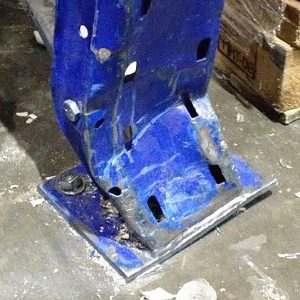
The red traffic light indicates an urgent, high-risk issue. Examples include cracked or severely damaged beams, uprights that are bent or deformed, or significant misalignment. These conditions pose an immediate safety hazard and must be addressed straight away by off‑loading and isolating the affected racking.
Failure to take immediate action can lead to racking collapse and non‑compliance with health and safety legislation.
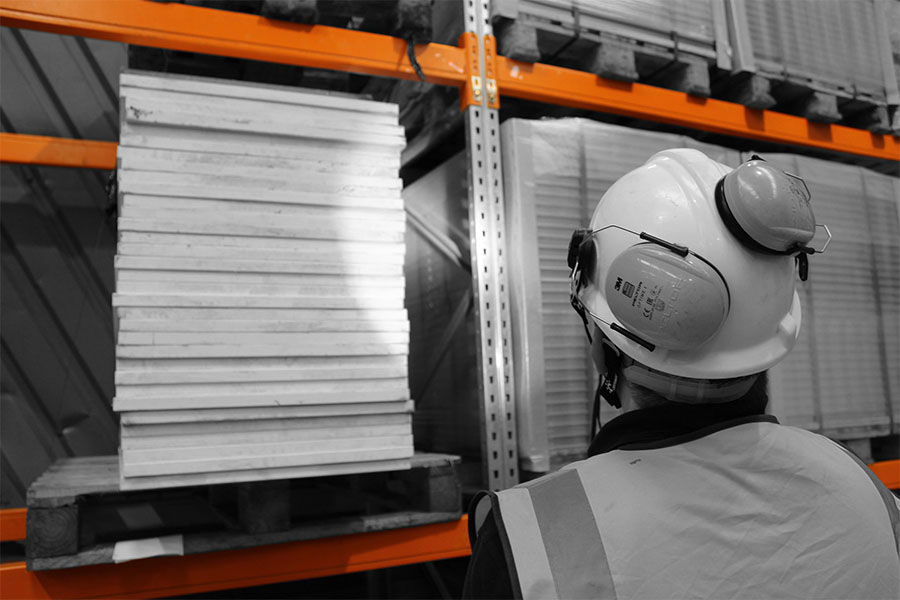
Experts at helping ensure your racking remains safe, compliant and productive
- SEMA & PUWER inspections to EN15635 Standard
- Inspections tailored to your organisation
- Impartial advice
- 40 years industry experience
UK legislation: racking and storage equipment inspections
The UK has numerous safety standards for work equipment, which includes guidance on how to maintain racking.
We aim to make things simple by breaking down the key information you need to know:
As most companies do not have the technically trained staff to carry out expert inspections, they use a third party racking inspection company instead.
We can provide training for your team
to help them identify damage early
How much does a racking inspection cost?
The cost of a racking inspection will depend on the type of inspection you need. Costs will also vary depending on the type and size of your storage system.
You can get an idea of cost by sending us some key information using this contact form
Book my racking inspection
If you already know the type of inspection you need, you can book your next inspection by contacting the team or you can give us a call on 01226 78 44 88
Frequently Asked Questions About Racking Inspections
Below are answers to some of the most common questions we receive from warehouse operators, contractors and safety professionals.
In line with HSE HSG76 guidance, a formal expert racking inspection should be carried out at least once every 12 months. Many high-traffic sites choose more frequent inspections, such as every 6 months. In addition to expert inspections, weekly in-house visual checks should be carried out by a trained member of your team.
Yes. Internal weekly checks are vital, but annual expert inspections by an independent, competent person are required under UK best practice. An external specialist brings a fresh perspective, uses precise SEMA measurement criteria, and will identify issues that may be missed internally.
We inspect all major warehouse storage systems, including pallet racking, cantilever racking, drive-in racking, and mezzanine-supported racking structures. Our inspections cover the entire structure, from floor fixings and uprights to beams, safety locks and load signage.
We conduct inspections in a way that minimises disruption. You do not need to empty your racks. Our inspectors work safely around your operations, though clear access to aisles is required. If a critical issue is found, we will advise you immediately on the safest course of action.
If we find damage, it is categorised using the SEMA traffic-light system (Red, Amber or Green). Red risks require immediate offloading of the affected rack, which we will tag on site. Amber risks need planned remedial work, and Green risks are acceptable but should continue to be monitored. You will receive a clear written report with recommendations for all risks identified.
Our standard turnaround is within five working days of the inspection. In urgent cases, we can issue a summary of critical findings on the same day.
Yes. As part of a specialist group with full racking lifecycle expertise, we can assist with sourcing replacement parts, installing protective solutions, and providing follow-up inspections once repairs are completed.
Costs depend on the size and complexity of your site. We offer competitive, transparent pricing, and many of our clients opt for an annual inspection contract for better value and automatic scheduling. Contact us for a tailored quotation.
Yes. We offer rack safety awareness training and other related courses to help your staff carry out weekly visual checks confidently and correctly.
Book Your Inspections Today
The quality of training delivered by Rack Group has allowed us to set up a manageable and effective system not only to identify racking damage but also to reduce it. By undertaking the inspection training we can now tailor our racking inspections to our company, we know where the damage is occurring and we know how to deal with it.
From first contact, to arranging and delivering the racking inspection training on site, Rack Group dealt with us extremely professionally. The delivery of the training was first class, very practical and knowledgeable trainer who gave a very clear message on our legal responsibility and technical awareness required to manage racking.From first contact, to arranging and delivering the racking inspection training on site, Rack Group dealt with us extremely professionally. The delivery of the training was first class, very practical and knowledgeable trainer who gave a very clear message on our legal responsibility and technical awareness required to manage racking.
The ‘full racking service’ provided by Rack Group is world class, and takes away the worry of health and safety issues, as well as delivering fantastic commercial results both from replacement of equipment, and the introduction into all of our site of the new racking protection system Rack Armour®, designed by Rack Group which has proven to reduce damage by 80%.

Clearly the most organised contractor I have worked with ref comms and the RAMS coming early.

I was very happy with help & service from yourself and would most definitely use you again.
The combination of regular safety inspections to pallet racking, and the reduced cost of spare parts, time saving maintenance skills, and the partnership between Asda – Walmart and Rack Group, are proving to be a winning combination on the never ending battle of repair costs.
You’ve made such an effort and in a nice non sales way, I wanted to work with you.