Warehouse Racking Inspection Kit: Contents and Inspection Guide
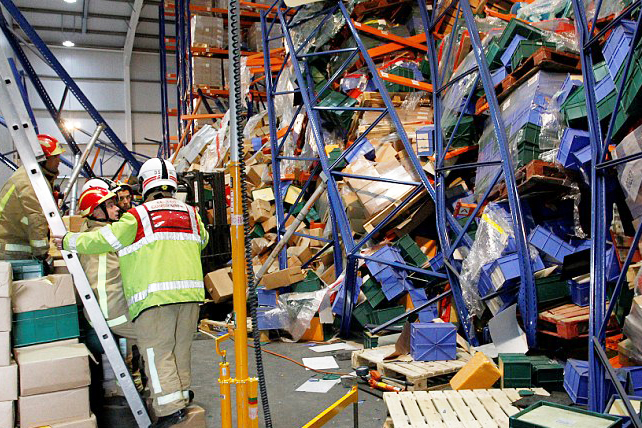
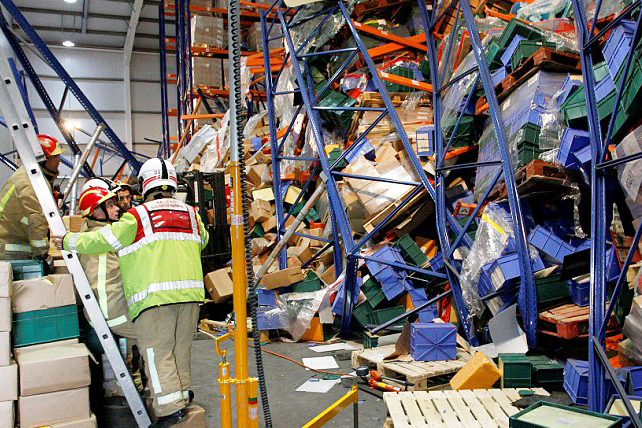
Forklift impacts, changing load patterns and everyday operational wear can damage pallet racking. Even damage that appears minor can reduce its load-carrying capacity. As a result, warehouses need a clear process to report, inspect, record and respond to defects.
The Rack Group Racking Inspection Kit brings together practical measuring and recording tools for regular in-house visual checks. Suitably trained staff can use it as part of a wider racking safety programme. However, the kit does not replace staff training, a site-specific risk assessment or an expert racking inspection.

Key takeaways

- All employees should report racking damage or safety concerns as soon as they are noticed.
- Sites should schedule documented visual inspections weekly or at another regular interval determined by their risk assessment.
- A suitably trained person should carry out regular in-house inspections using an agreed inspection and reporting process.
- A technically competent person should complete expert inspections at intervals of no more than 12 months. Higher-risk sites may need them more frequently.
- An inspection kit supports consistent checking and record keeping, but it does not create compliance by itself.
Why regular racking inspections matter
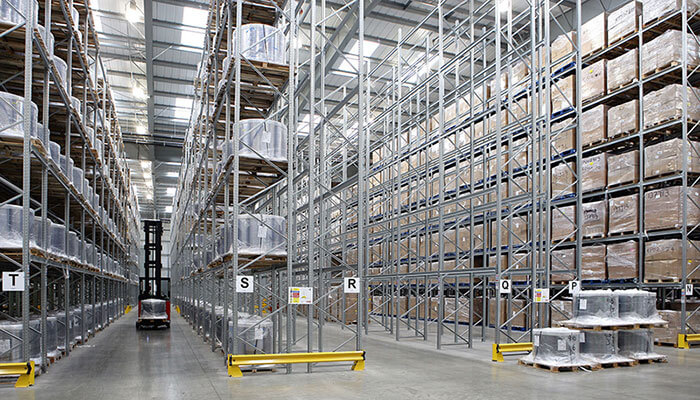
Pallet racking uses relatively lightweight components to carry substantial loads. Correct configuration and use are therefore essential. Damage to an upright, beam, bracing component or fixing can reduce the capacity and stability of the system.
Common causes of racking damage and unsafe use include:
- Forklift and materials handling equipment impacts
- Loads exceeding the limits shown on the load notice
- Incorrectly positioned or damaged pallets
- Missing beam locking devices or other components
- Changes to beam levels without the appropriate technical approval
- Damaged baseplates, floor fixings or frame bracing
- General wear, corrosion or repeated low-level impacts
With a structured inspection programme, warehouse teams can identify concerns earlier, maintain reliable records and take appropriate action. For the best results, combine regular inspections with staff awareness, immediate damage reporting, planned maintenance and expert inspection.
Rack Group has more than 40 years of experience working with warehouse racking systems across the UK. Our teams install, inspect, maintain and repair racking, giving us direct insight into the damage and operational issues found in working warehouses. Learn more about our experience on the Rack Group About Us page.
The three levels of racking inspection
The Health and Safety Executive’s HSG76 guidance describes a hierarchical approach to racking inspection and maintenance. In practice, this approach combines three levels of inspection.
Level 1
Immediate reporting
- Who is involved
- All employees working around the racking.
- When it takes place
- As soon as damage or a safety concern is noticed.
- What it involves
- Report the issue to the Person Responsible for Racking Safety and follow the site’s documented procedure.
Level 2
Regular visual inspection
- Who is involved
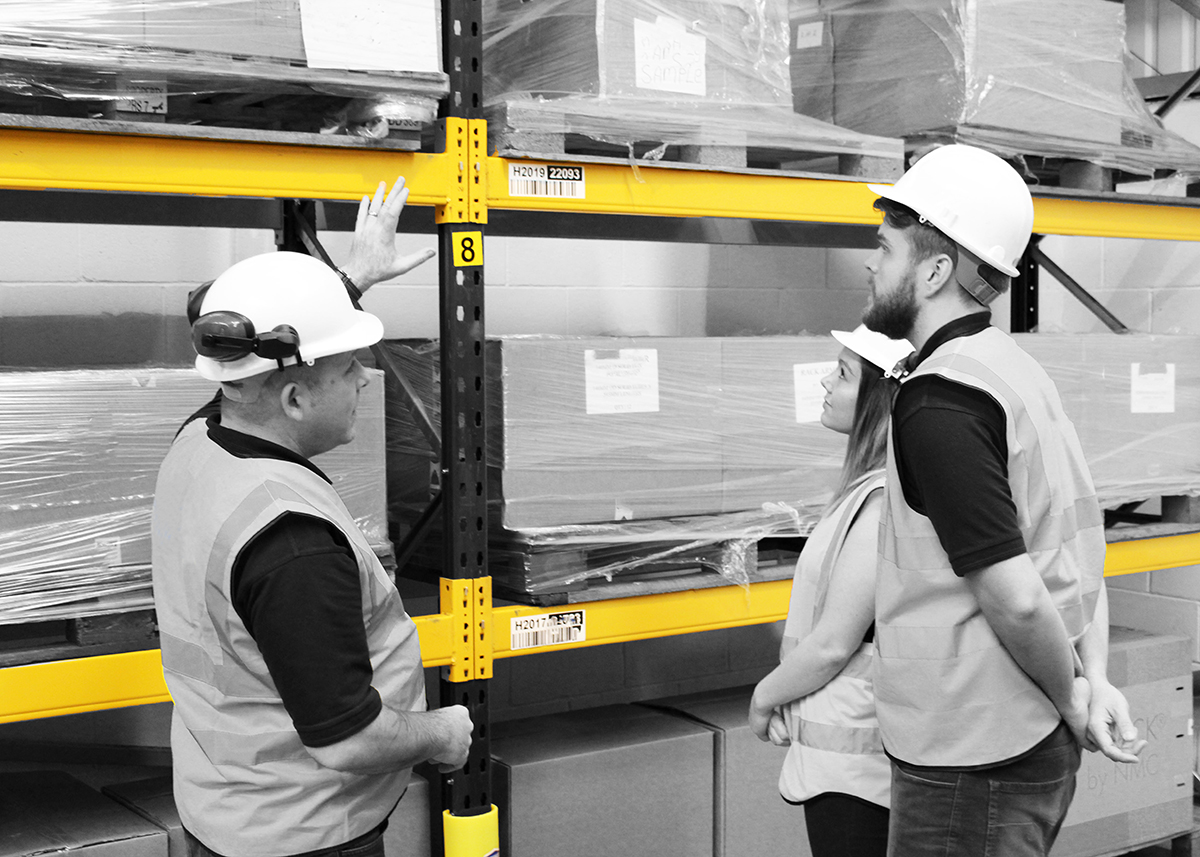
- A suitably trained person, with oversight from the Person Responsible for Racking Safety.
- When it takes place
- Weekly or at another regular interval based on the site’s risk assessment.
- What it involves
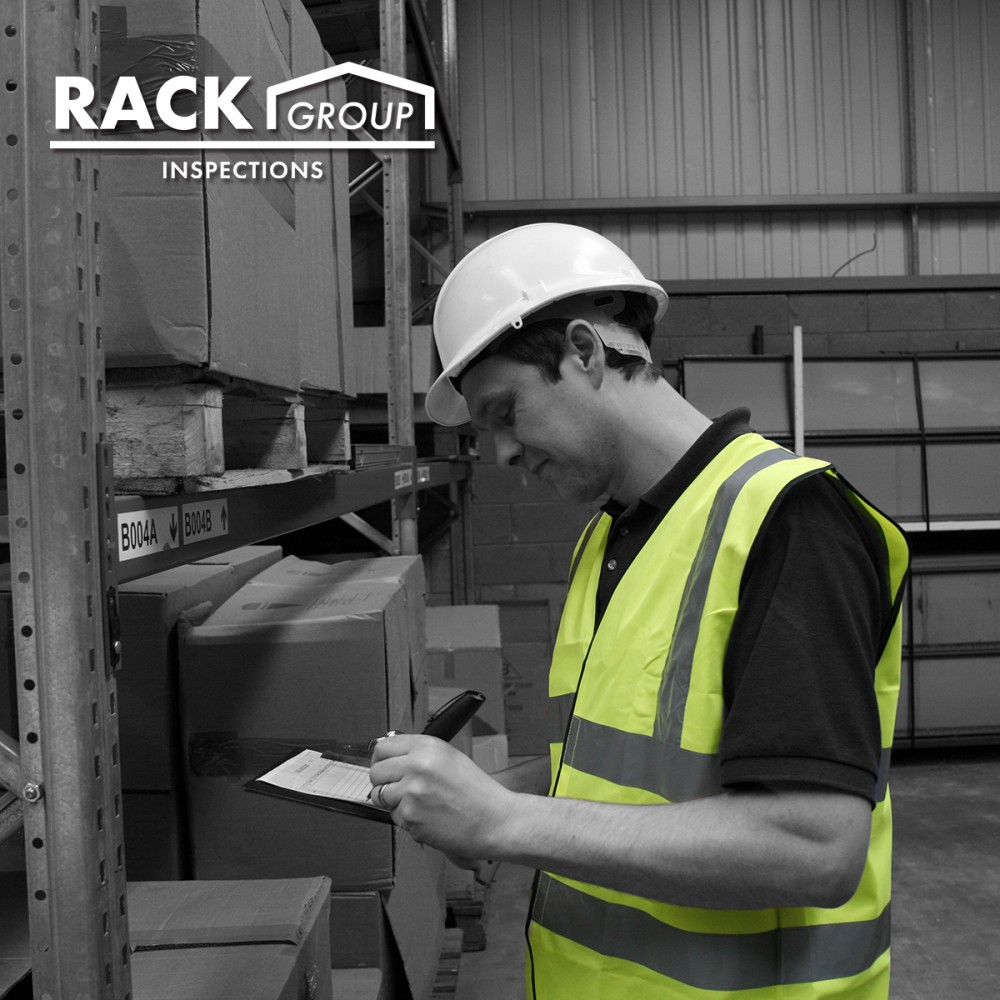
- Inspect the racking systematically, record findings and assign actions through the site’s reporting process.
Level 3
Expert inspection
- Who is involved
- A technically competent person.
- When it takes place
- At intervals of no more than 12 months, or more frequently if the risk assessment requires it.
- What it involves
- Complete a detailed assessment and provide a written report with observations and recommended actions.
The Person Responsible for Racking Safety, often shortened to PRRS, should determine the inspection frequency. In doing so, they should consider warehouse activity, traffic levels, equipment, layout and the likelihood of damage.
An appropriately trained internal specialist, a racking supplier specialist or an independent qualified racking inspector may carry out the expert inspection. Regular in-house checks do not replace this separate inspection level.
Alongside regular checks, your site will still need expert inspections at appropriate intervals. For a detailed assessment of your storage equipment, explore Rack Group’s Racking Inspection service.
What is a racking inspection kit used for?
A racking inspection kit keeps the main tools for visual and dimensional checks together in one portable case. By keeping the equipment organised, the kit helps trained employees follow a consistent process throughout the warehouse.
The tools can help users:
- Check alignment and identify signs of deformation
- Examine areas that are difficult to see clearly
- Measure suspected damage using the appropriate inspection method
- Mark and report areas requiring attention
- Maintain a written record of inspections and actions
Appropriately trained personnel must interpret measurements using the relevant inspection criteria, racking manufacturer’s information and site procedures. The tools support professional judgement, but they do not replace it.

What is included in the Rack Group Racking Inspection Kit?
Each kit comes in a durable carry case containing practical tools for regular in-house racking checks.
1 m ruler with integrated spirit level
Helps check upright plumb, beam level and alignment.
Small ruler
Supports quick, close-up dimensional checks.
Wooden measuring wedge
Helps assess deformation using the appropriate inspection method.
Tape measure
Supports wider distance, height and spacing checks.
String line
Helps identify alignment issues across longer racking runs.
LED torch
Illuminates low-level and difficult-to-see components.
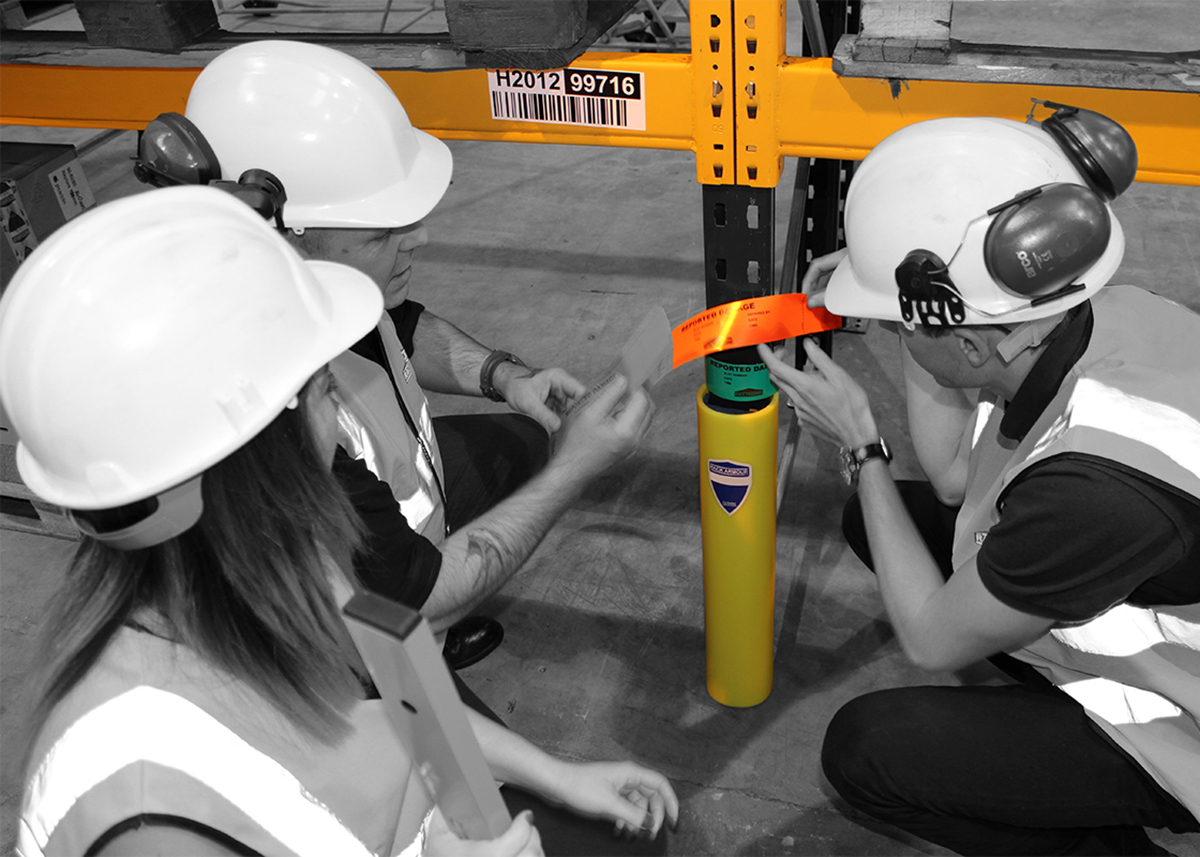
Sample damage report tags
Help identify and communicate reported areas of concern.
Damage report book
Supports written inspection records and follow-up actions.
Carry case
Keeps the equipment organised and protected between inspections.
Product contents and promotional additions may change, so check the Racking Inspection Kit product page for the latest information.
Equip your team for regular racking checks

Keep the core measuring and reporting tools your trained staff need together in one convenient kit.
What should a regular racking inspection cover?
Base the precise process on the site’s risk assessment, racking type, manufacturer’s information and staff training. In practice, a regular inspection will usually include the following checks.
Racking inspection checklist
- Record findings and required actions
Record the location, nature and apparent severity of each concern. Include photographs where appropriate and assign responsibility and timescales for follow-up.
- Follow the agreed inspection route
Walk each aisle systematically to cover every racking run and location. At the same time, follow the warehouse’s traffic management arrangements and safe system of work.
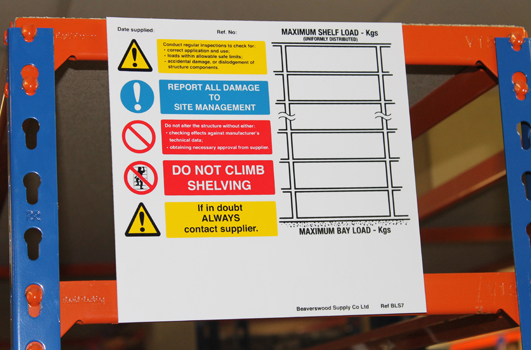
- Check load notices and loading conditions
Confirm that load notices are present, legible and relevant to the current configuration. Check that beam and bay loads appear consistent with the displayed limits and that loads are positioned correctly.
- Inspect uprights and frame bracing
Look for impact damage, dents, bends, twists, splits, corrosion or missing components, particularly at lower levels and aisle ends where vehicle contact is more likely.
- Check beams, connectors and locking devices
Confirm that beams sit correctly and look for permanent deformation, damaged connectors or missing safety locks.
- Inspect baseplates and floor fixings
Look for loose, damaged or missing fixings, distorted baseplates and signs of damage to the surrounding floor.
- Review rack alignment
Check uprights and complete frames for leaning, misalignment or loss of plumb. Suitably trained staff can use the spirit level, ruler and string line as part of the approved inspection method.
- Check pallets and stored loads
Look for damaged pallets, unstable loads, excessive overhang and goods positioned in a way that could affect the racking or create a falling-object risk.
- Inspect racking protection
Check the condition of upright protectors, rack-end barriers and other protective equipment. For example, repeated damage in one location may signal a need to review traffic routes, clearances or protection measures.
- Look for unauthorised alterations or repairs
Identify any unapproved changes to beam levels, missing bracing, welded repairs or other alterations. Where anything has changed, confirm that the racking supplier or another appropriately competent person approved it.
Inspectors generally complete visual inspections from ground level. Employees should never climb the racking to examine higher components. If there are signs of a problem at height, obtain advice and arrange suitable access through a safe system of work.

What should you do when racking damage is found?
Any employee who notices damage or a safety concern should report it immediately to the PRRS through the site’s documented procedure. The assessed level of risk should then determine the response.
Before classifying the damage, make sure the person responsible has the appropriate training and competence. If the condition remains uncertain, escalate it to the PRRS and obtain advice from a technically competent person, the racking supplier or a qualified inspector.nd repair racking, giving us direct insight into the damage and operational issues found in working warehouses. Learn more about our experience on the Rack Group About Us page.
Green, amber and red racking damage
Green
- What it means
- The component remains within the applicable damage limit and remains safe and serviceable.
- Required response
- Record it, identify it for future reassessment and continue to monitor its condition.
Amber
- What it means
- Damage exceeds the green limit and requires remedial work, but does not require immediate offloading.
- Required response
- Arrange action as soon as possible. Once the team unloads the affected pallet position, do not reload it until repairs are complete. If repairs remain incomplete after four weeks, redesignate the damage as red risk.
Red
- What it means
- Damage has reached a critical level and requires immediate action.
- Required response
- Offload and isolate the affected area immediately. Prevent further use until the work is complete and a competent person confirms the racking is safe.
Where damage requires remedial work, Rack Group’s Racking Repair service can help return the affected system to a safe, serviceable condition.
How the kit supports UK racking safety guidance
A racking inspection kit forms one practical part of a wider safety and maintenance system. Relevant legislation, standards and guidance include:
- PUWER 1998: The Provision and Use of Work Equipment Regulations include requirements concerning the suitability, maintenance and inspection of work equipment.
- HSG76: The Health and Safety Executive’s warehousing guidance explains the recommended hierarchy for racking inspections, reporting and maintenance.
- BS EN 15635:2008: This British Standard addresses the application and maintenance of steel static storage systems, including inspection and the evaluation of damaged components.
- SEMA guidance: The Storage Equipment Manufacturers’ Association publishes industry guidance and provides training and qualification routes for racking safety and inspection.
Appropriate tools make regular checks more consistent. However, effective racking safety also relies on trained personnel, site-specific procedures, reliable records, timely corrective action and expert inspection.
Inspection kit, training or expert inspection: what does your site need?
In practice, many warehouses benefit from combining all three within one coordinated racking safety programme.
Regular in-house visual checks
- Best suited to
- Sites with suitably trained employees and an established reporting process.
- Rack Group support
- Racking Inspection Kit
Staff knowledge and competence
- Best suited to
- Employees responsible for regular checks, reporting or racking safety.
- Rack Group support
- Rack Training
Detailed expert assessment
- Best suited to
- Periodic inspection by a technically competent person.
- Rack Group support
- Racking Inspections
Corrective work
- Best suited to
- Racking with identified damage or components requiring replacement.
- Rack Group support
- Racking Maintenance & Repairs
Rack Group’s RoSPA Qualifications Assured training courses can equip employees with the knowledge needed to inspect, maintain and work safely around warehouse racking.
Frequently asked questions
How often should warehouse racking be inspected?
Employees should report damage and safety concerns as soon as they notice them. Under HSG76, the PRRS should arrange documented visual inspections weekly or at another regular interval determined by the site’s risk assessment. A technically competent person should carry out expert inspections at intervals of no more than 12 months. Higher-risk sites may need them more frequently.
Can employees carry out racking inspections?
Suitably trained employees can carry out regular in-house visual inspections using the appropriate tools, reporting process and site procedures. However, a technically competent person with sufficient knowledge and experience must carry out expert inspections. An inspection kit alone does not demonstrate competence.
Does an inspection kit replace an expert racking inspection?
No. The kit supports regular in-house checks between expert inspections. It does not replace the detailed assessment and written report provided by a technically competent person.
What should I do if I find racking damage?
Report the issue immediately to the PRRS and record its exact location. The assessed risk category determines the next action. For red risk damage, offload and isolate the affected area immediately. For amber risk damage, act as soon as possible and do not reload the location once emptied. Finally, record and monitor green damage.
Does the kit include racking inspection training?
No. The kit contains practical measuring and reporting equipment. Training is available separately through Rack Group’s Pallet Racking Safety Courses .
Is the kit suitable for every type of racking?
Trained employees can use the kit primarily for regular visual and dimensional checks of standard steel pallet racking. However, automated, high-bay, mobile, drive-in, cantilever and other specialist systems may require additional equipment, specialist access arrangements or specific technical expertise. Ask Rack Group for advice if you are unsure what your system requires.
Build a more consistent racking inspection process
Regular inspections work best when staff have the right knowledge and follow a consistent process. Clear records also help them escalate damage quickly. The Rack Group Racking Inspection Kit keeps the core measuring and reporting tools together in one practical case for regular in-house checks.