For general enquiries please don't hesitate to get in touch.
8.30am – 5.00pm Monday to Friday
Rack Group
Unit 3, Shawfield Road
Carlton Industrial Estate,
Barnsley,
South Yorkshire
S71 3HS
Preventative Maintenance Plan Enquiry Form:
Our friendly UK-based team have years of experience in warehouse racking solutions and can answer any query you may have. Complete the form below and a member of our team will be in touch soon.
Preventative Maintenance Plans - Protect Your Warehouse, Extend Your Assets, Lower Your Costs
Racking failures cost warehouses tens of thousands of pounds in emergency repairs, downtime, and operational disruption. A structured preventative maintenance plan identifies damage before it becomes a crisis, keeps your systems compliant, and extends your asset lifespan by years. By completing the form with detailed information about your facility, you help us design a plan that protects your warehouse, reduces costs, and delivers measurable ESG impact. Below we explain what maintenance covers, the solutions we offer, and what information helps us build the right plan for your operation.
What a Preventative Maintenance Plan Covers
A comprehensive preventative maintenance programme takes your entire racking system into account. We assess your current condition, establish baseline safety standards, and schedule regular inspections and corrective work to keep everything performing at full capacity. A thorough plan typically includes:
- Professional Baseline Audit: Initial assessment of all racking types, structural condition, corrosion, damage, loose fittings, and compliance gaps. This becomes the reference point for ongoing monitoring.
- Scheduled Inspections: Regular professional inspections (typically annual or twice-yearly depending on usage intensity) to identify wear, corrosion, impact damage, and structural stress before failure.
- Visual Check Protocol: Documented weekly or monthly visual checks by your team to catch obvious damage and report issues early.
- Component Replacement: Planned replacement of worn or damaged elements (bolts, bracing, beams, base plates) before they compromise system integrity.
- Corrective Work Scheduling: Coordinated repairs timed around your operations to minimise downtime and disruption.
- Compliance Documentation: Full PUWER, SEMA, and HSE compliance records, inspection reports, and maintenance logs for audits and liability protection.
- Environmental Assessment: Tailored maintenance intervals based on your operating conditions (chilled, freezer, high humidity, external) which accelerate wear and corrosion.
- Safety Training: Staff guidance on racking safety, damage recognition, and correct use to prevent incidents.
If your facility has specific challenges (recent damage, aging systems, high throughput, harsh environments), include that detail in your enquiry. The more we know about your site history and current condition, the more precise our plan will be.
How Preventative Maintenance Saves Money and Reduces Risk
Unplanned racking failures cost £50,000 to £500,000+ per incident depending on scale - including emergency repairs, lost production, inventory damage, and potential liability. A preventative plan costs a fraction of that and eliminates the financial and operational shock of failure.
- Avoid Catastrophic Failure Costs: Early detection and component replacement prevent cascade failures, system collapse, and the massive costs of emergency intervention and downtime.
- Reduce Repair Costs by 70%+: Planned repairs on individual components are 70-80% cheaper than emergency replacements of entire systems. You replace a damaged beam today, not a whole bay next month.
- Minimise Operational Disruption: Scheduled maintenance work is coordinated around your operations. Emergency repairs force immediate shutdown and lost revenue; maintenance plans are planned.
- Extend Asset Life by 5-10 Years: Well-maintained racking systems deliver 15-20+ year operational life. Neglected systems fail within 8-10 years, forcing costly premature replacement. Maintenance compounds savings over time.
- Reduce Insurance Risk and Liability: Documented maintenance and compliance reduces your risk profile, potentially lowering insurance premiums. HSE fines for non-compliance reach £165,000+; prevention costs far less.
- Protect Staff Safety: Regular inspections catch dangerous conditions before they cause injuries. A single incident can cost hundreds of thousands in liability, fines, and reputational damage.
For a typical mid-size warehouse, preventative maintenance plans save £10,000-£50,000+ annually compared to reactive repair, plus you avoid the unpredictable major failures that disrupt operations.
Preventative Maintenance and ESG - How Longevity Aligns with Sustainability
Sustainability and cost savings go hand in hand in preventative maintenance. Every year you extend your racking's operational life avoids the environmental impact of manufacturing and installing a replacement system.
- Reduce Manufacturing Demand: 24% of racking's carbon footprint occurs before installation. Every additional year of service life avoids that upfront production impact - manufacturing, transport, installation emissions all avoided.
- Fewer Replacement Cycles: Extending racking life from 10 years to 15-20 years means replacing systems less frequently, reducing the total material and energy demand over decades.
- Measurable ESG Progress: You can quantify your sustainability impact to customers, investors, and stakeholders: "Our preventative maintenance programme extended warehouse asset life, reducing manufacturing emissions and material consumption by X%."
- Circular Economy Leadership: Demonstrating responsible asset stewardship - maintaining what you have rather than replacing constantly - signals genuine ESG commitment, not greenwashing.
- Compliance with Sustainability Standards: ISO 14001 (environmental management), science-based carbon targets, and supply chain sustainability frameworks all reward longer asset lifecycles and reduced replacement frequency.
Preventative maintenance is not just a cost-saving tool - it is genuine environmental responsibility that aligns your warehouse operations with ESG goals and demonstrates sustainable industrial practice.
What to Include in Your Maintenance Plan Enquiry
To help us design a plan tailored to your warehouse, please include as much of the following information as possible:
- Your warehouse size (square metres or square feet) and approximate number of racking bays.
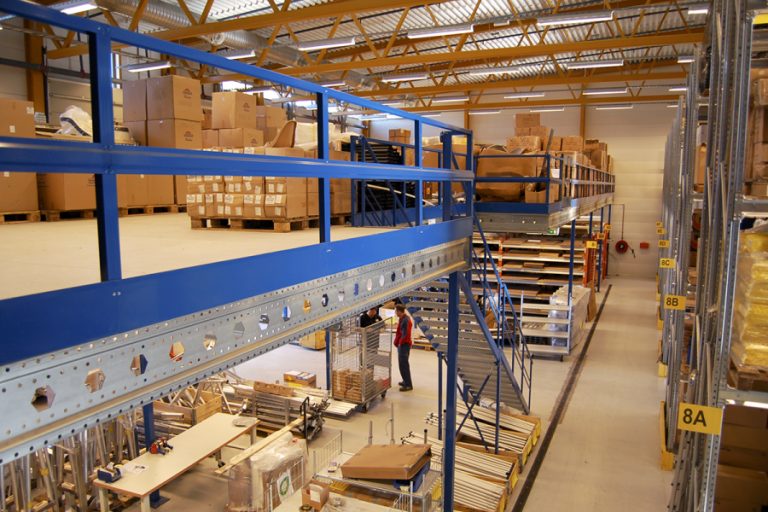
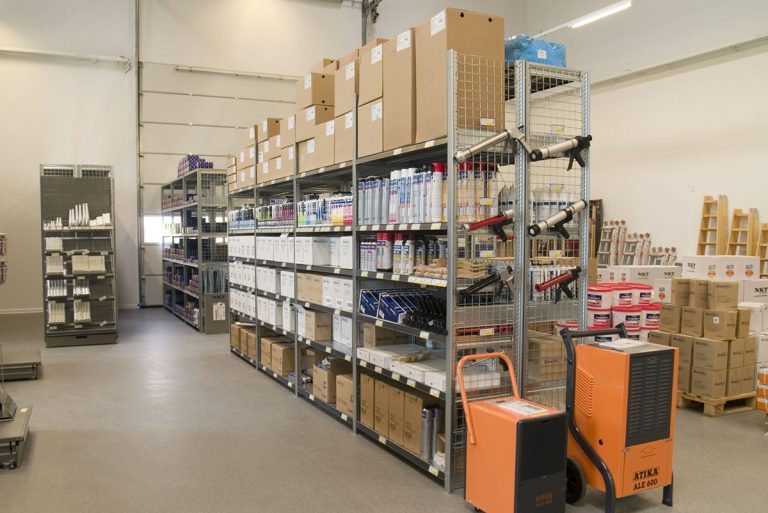
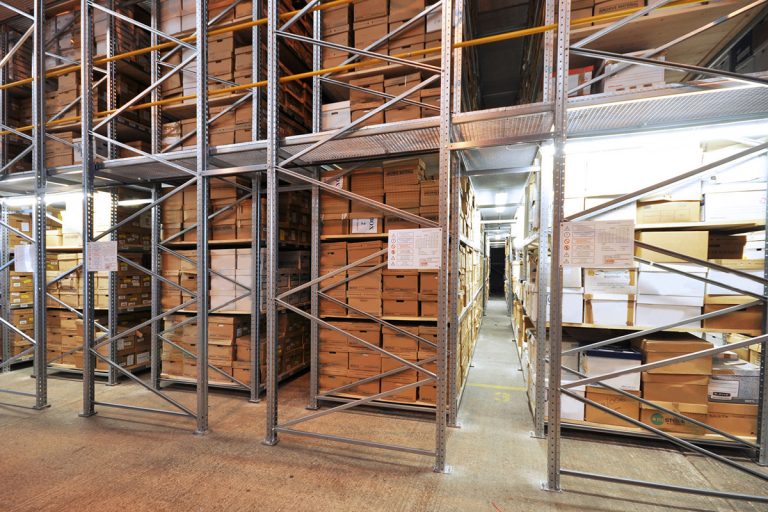
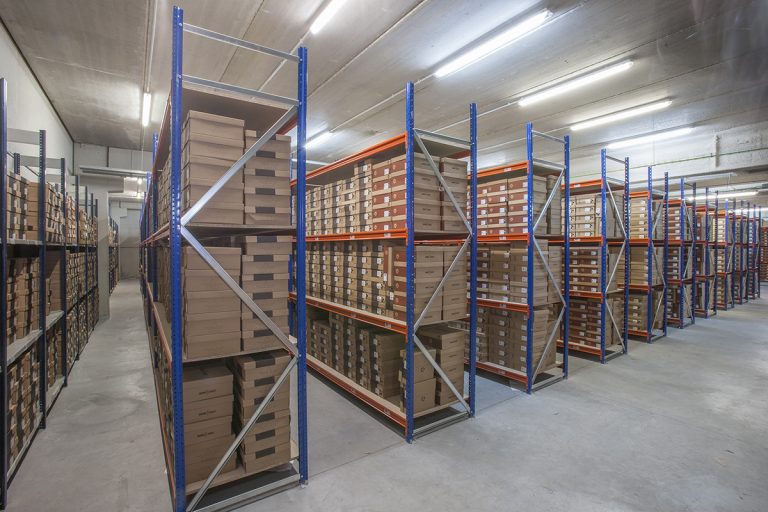
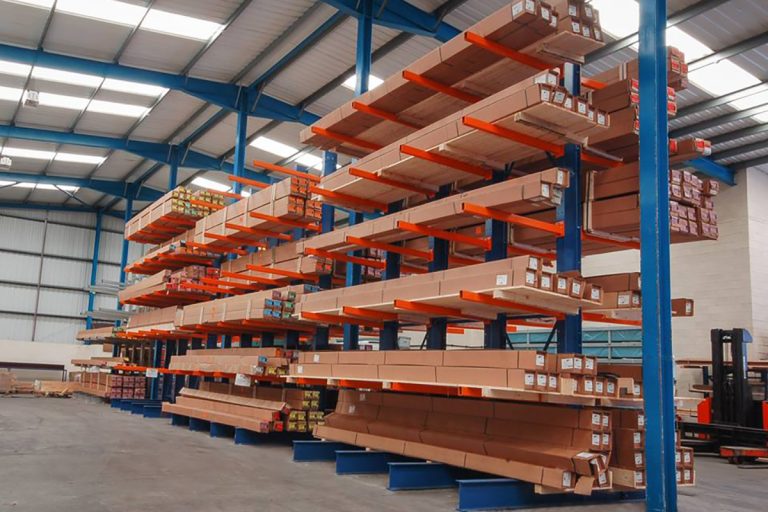
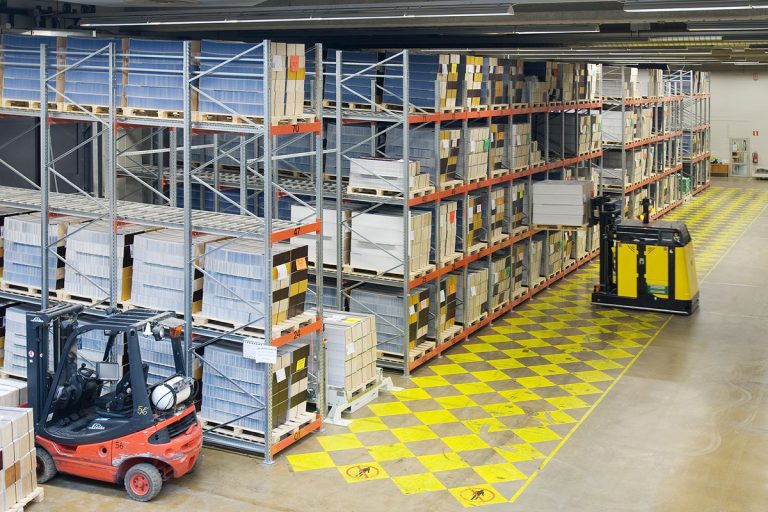
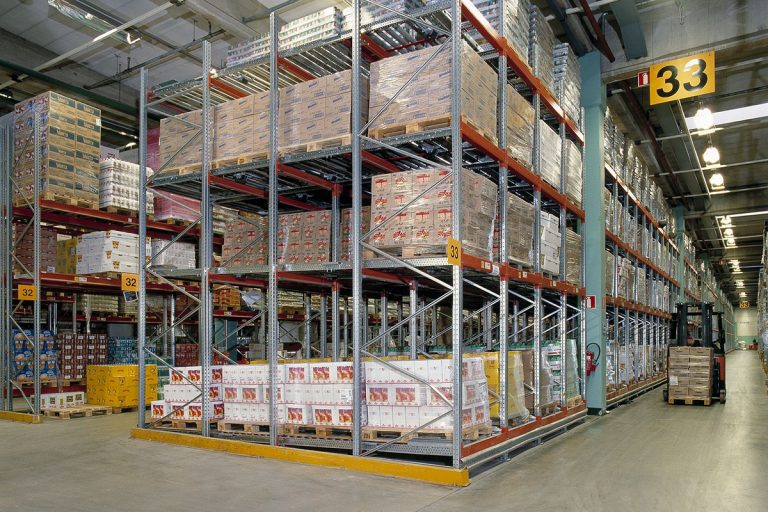
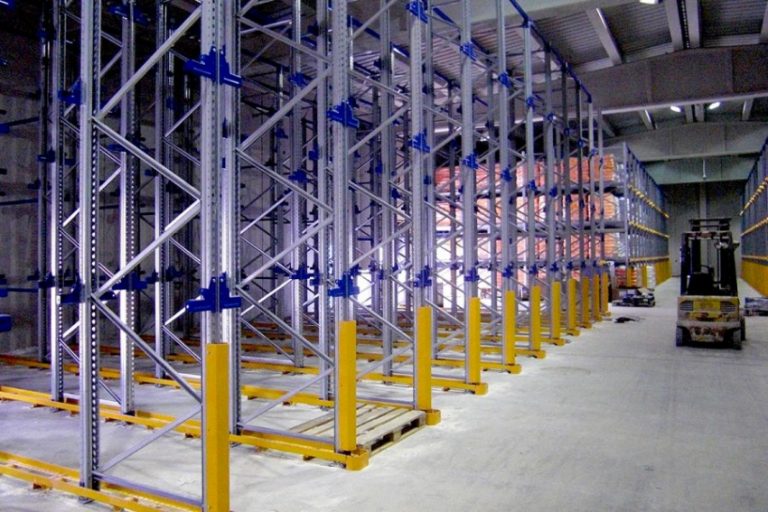
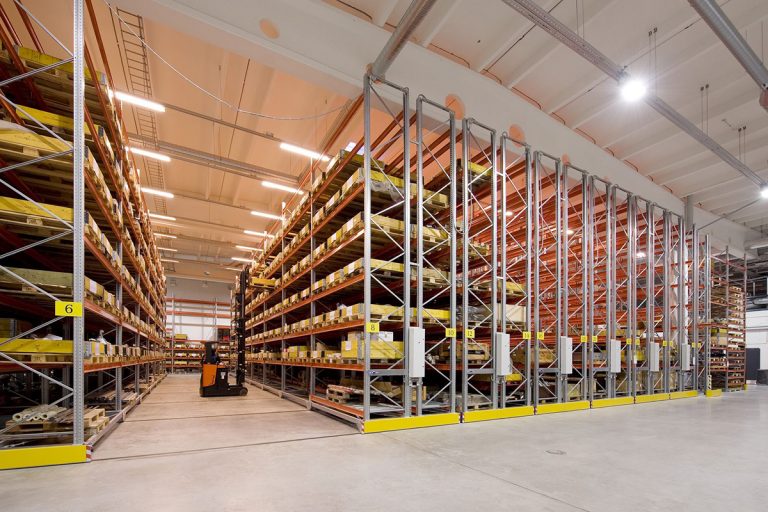
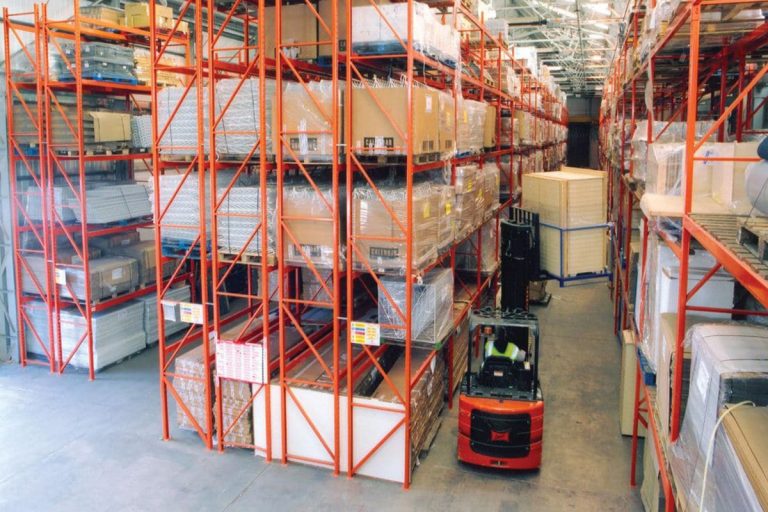
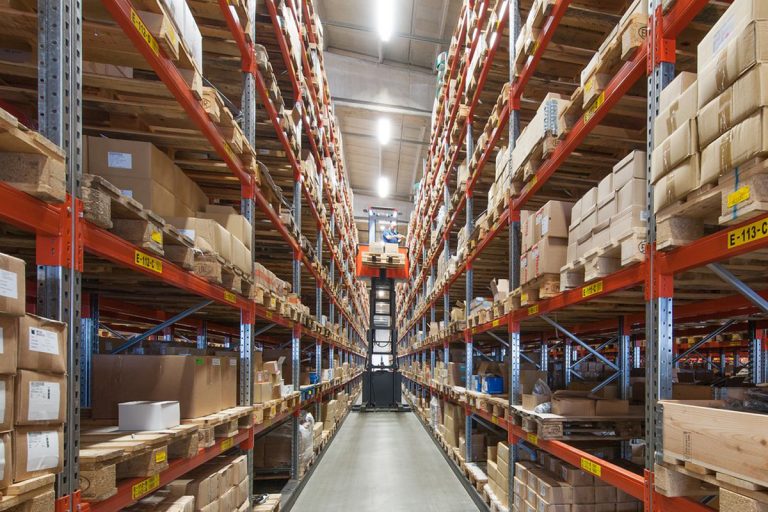
- Types of racking systems you operate (pallet racking, drive-in, cantilever, shelving, mobile, mezzanine).
- Operating conditions (ambient, chilled, freezer, external, high humidity) - these affect wear rates significantly.
- Estimated age of your racking systems and when last inspected professionally.
- Current maintenance approach (none, ad-hoc repairs, or some scheduled work).
- Any known damage, corrosion, or safety concerns - even minor issues help us prioritise.
- Your throughput or usage intensity (light, medium, or heavy - impacts inspection frequency).
- Whether you have existing inspection reports or compliance documentation.
- Preferred maintenance schedule (annual inspections, twice-yearly, or custom intervals).
- Any specific concerns or constraints (budget, access restrictions, preferred timing for maintenance work).
If you have site photos, floor plans, or previous inspection reports, please upload them. Visual information helps us understand your layout, identify potential issues, and prepare a more accurate plan. Even simple photos from different angles are helpful if formal plans are not available.
If you are unsure about any details, note what you do know and leave the rest for our initial consultation - we are here to help you gather the full picture.
Why a Preventative Maintenance Plan Makes Commercial Sense
Racking is critical infrastructure in your warehouse. Failures are not inconveniences - they are financial crises that disrupt operations, threaten staff safety, and expose your business to liability. A preventative maintenance plan is insurance that costs far less than the failure it prevents.
Unlike reactive repairs that are triggered by crisis, a preventative plan gives you control: scheduled work, predictable costs, maintained safety, and extended asset life. You know what maintenance costs and when it happens. Failures cost unpredictably and always at the worst moment.
By completing the form with detailed information about your facility, operations, and goals, you help us design a plan that actually protects your warehouse and your budget.
From Inspection to Long-Term Protection - Your Racking Maintenance Partnership
A preventative maintenance plan is the foundation of safe, efficient, and cost-effective warehouse operations. It begins with understanding your current condition, establishing a baseline, and scheduling regular inspections to catch issues early. The result is a warehouse where your racking systems are protected, your staff is safer, your costs are predictable, and your assets deliver their full 15-20 year operational life.
By submitting the form with detailed information about your facility, you take the first step toward a maintenance plan that protects your bottom line, extends your investment, and demonstrates genuine commitment to safety and sustainability. Whether your racking is showing signs of wear, you operate in harsh conditions, or you simply want to avoid costly failures, Rack Group is here to partner with you for the long term.